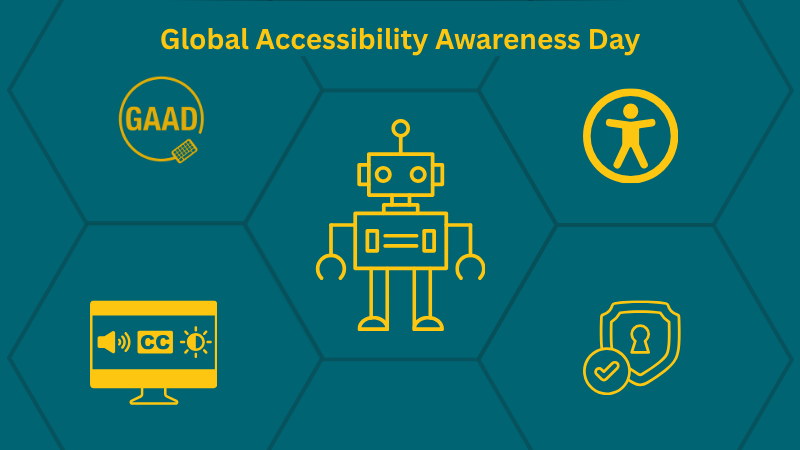
Today is Global Accessibility Awareness Day, a global initiative dedicated to digital inclusion and encouraging conversations about accessibility in technology and online spaces. It’s a timely reminder that the digital content we create should be usable by as many people as possible, including the work we produce as students.
I was first introduced to digital accessibility during my time as a Bath Insights intern, where I reviewed webpages for the Academic Registry. Since then, I’ve continued developing my understanding of accessibility as a Student Co-creator in the Skills Centre, where I created a short, one and a half minute self-access video introducing digital accessibility and practical ways to apply it.
What I quickly realised is that accessibility is not just a technical requirement but also a valuable skill that strengthens digital and AI literacy. By learning how to create accessible digital content, we can develop one of the thirteen capabilities within our employability profiles while also contributing to a more inclusive digital environment.
What is digital accessibility?
Digital accessibility is the practice of designing digital content so that everyone can interact with it, regardless of disability, device, or situational context. When we think about accessibility, we often imagine permanent disabilities, but accessibility benefits a much wider group of people than many realise. Have you ever struggled to load content because of a slow internet connection? Or found it difficult to read a screen because of bright sunlight? These are accessibility challenges too. Many accessibility features that were originally designed for specific needs now benefit everyone. Captions, for example, were introduced to support people with hearing impairments, but they are now widely used in public spaces, quiet environments, and by people learning new languages. I know I personally really benefit from using captions when watching videos in busy public places.
There is also a legal responsibility for public sector websites and services to meet accessibility standards so that everyone can access essential information and services. As students entering increasingly digital workplaces, understanding accessibility is becoming an important employability skill. At some point in your career, you may be responsible for creating websites, presentations, reports, or online resources and knowing how to make them accessible could set you apart.
Beyond legal and professional expectations, creating accessible content is simply the right thing to do. Accessibility helps ensure that more people can participate fully in education, work, and everyday life.
Why does this matter for academic coursework?
Accessibility is highly relevant to the work we already create throughout our degrees.
Think about the range of digital outputs you may have produced so far:
- presentations with slides
- group project apps or websites
- videos
- online portfolios
- scientific posters
- Word documents and reports
Almost every course now involves some form of digital submission and as our education becomes increasingly digital, we also have a growing responsibility to ensure these outputs are accessible. Academic staff are often provided with guidance on creating accessible teaching materials, but accessibility should not stop there. Student-created content matters too. Simple changes can make a significant difference, and the video aims to introduce simple tips in a memorable way. These practices improve accessibility for others while also strengthening your own digital communication skills. The capability of digital and AI literacy, more broadly, is about utilising the full capability of what technology has to offer.
Where can I access the digital accessibility resource?
You can find the resources on the digital accessibility information page on MySkills. You can access them anytime and revisit them whenever you need. The video introduces the fundamentals of digital accessibility and offers practical steps you can apply immediately to your own work. The other resources on the page offer additional practical tips and short guides such as how to add headings in a Word document.
The next time you create something digital, whether it’s a webpage, presentation, video, or Word document, try applying accessibility principles to your work. By doing so, you are not only helping to create a more inclusive world but also developing your own digital literacy and employability skills for the future.
Respond