All employers care about is the grade you get at the end of your degree.
It’s a common assumption among students, but my experience at university has shown me that employability is built in many other ways too.
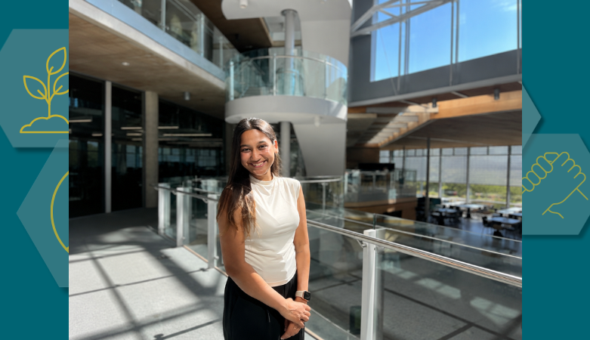
I’m Bernard, a Pharmacy student at the University of Bath based in Plymouth. Alongside my degree, I’ve taken on a number of roles including PAL Leader, Student Ambassador, BPSA representative, and committee member for the University of Plymouth Jiu Jitsu Club.
While Pharmacy is an academically demanding course, I’ve found that some of the most valuable skills for becoming a healthcare professional develop outside the lecture theatre. Getting involved in extracurricular activities has helped me build confidence, leadership, communication skills, and a much broader perspective on the profession I’m entering.
Peer Assisted Learning (PAL) Leader: Developing communication skills
One of the most rewarding roles I’ve taken on has been working as a Peer Assisted Learning (PAL) Leader. In these sessions, I support other MPharm students by facilitating small group discussions and helping them navigate challenging topics.
Leading these sessions has strengthened my communication skills. Understanding a concept yourself is one thing but explaining it clearly to others is a completely different challenge. As pharmacists, we constantly translate complex scientific information into something meaningful for patients, so developing that ability early has been incredibly valuable.
Student Ambassador: Engaging with diverse audiences
I’ve also had the opportunity to represent the University of Bath as a Student Ambassador. Through open days, outreach events, and school workshops across the South West, I’ve spoken with prospective students about the Pharmacy course and university life.
Some events even involve running practical respiratory workshops, teaching pupils about inhaler technique and basic lung physiology. These experiences have made me much more confident speaking to people with different levels of scientific knowledge.
Martial Arts Club: Leadership, discipline, and teamwork
Outside of my course, I’m heavily involved in the University of Plymouth Jiu Jitsu Club. After having the privilege to be the Events and Marketing Secretary for the 25-26 academic year, I’ve recently been elected Chair for the 2026–27 academic year.
Sport might seem completely separate from Pharmacy, but the skills it develops are surprisingly similar. Training requires discipline, resilience, and the ability to stay calm under pressure, all qualities essential in healthcare. Being on the committee has also given me experience in leadership, organisation, and teamwork to keep the club running successfully.
BPSA Involvement: Broadening professional perspectives
Getting involved with the British Pharmaceutical Students’ Association (BPSA) has been another eye-opening experience. Attending conferences and representing my cohort allowed me to connect with students from other universities and hear from pharmacists working across different sectors.
These events made me realise just how diverse the profession can be — something that isn’t always obvious from lectures alone. They’ve also encouraged me to think more critically about the kind of pharmacist I want to become.
Networking: Opportunities through connections
One of the most valuable things I’ve gained from extracurricular activities is the opportunity to build connections. Networking doesn’t have to be formal or intimidating, it often happens naturally when you engage with things that interest you.
Whether through friendships built in sport, conversations with students at conferences, or meeting professionals at outreach events, every connection can open doors to new opportunities and perspectives.
Reflections: The value of extracurricular involvement
Looking back, getting involved beyond my degree has been one of the most rewarding parts of university. These roles have helped me develop skills that will be essential throughout my career as a pharmacist: communication, leadership, teamwork, and confidence. They’ve also allowed me to build a network of people - and great friends - who share similar interests and ambitions.
Advice for new students: Say yes to opportunities
If there’s one piece of advice I’d give to other students, it’s to say yes to opportunities that come your way. Whether they’re directly related to your course or allow you to explore different interests, getting involved will help you develop skills, meet people, and gain experiences you wouldn’t otherwise encounter. Each opportunity is a chance to build confidence, broaden your perspective, and shape both your university experience and your future career.
Respond