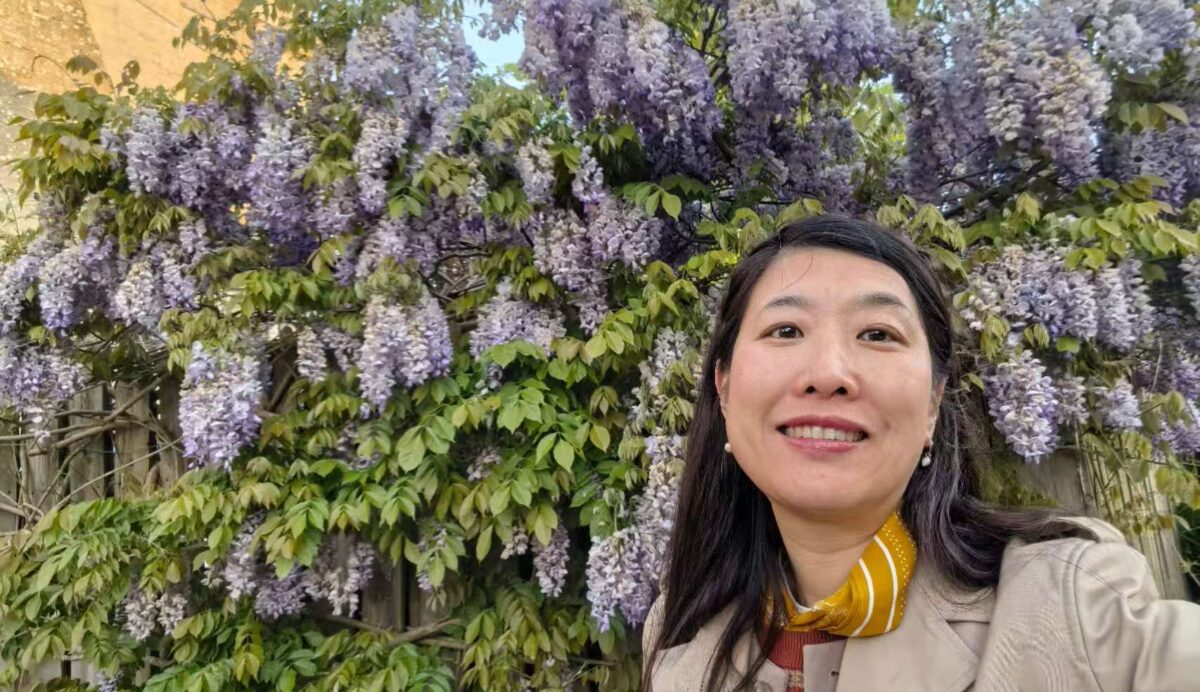
Hi, I am Jun, a sixth-year part-time EdD researcher in the Department of Education at the University of Bath. When I first registered for the Bath Award, I hoped it would help me bring together the skills I had been developing through doctoral study, student representation, peer mentoring and voluntary engagement.
Although I already had ten years of teaching experience, I have always wanted to broaden my career pathway and explore different professional directions. As a doctoral researcher and education practitioner, I did not want my experience to remain within one fixed route. I wanted to understand how teaching, research, mentoring, student support and educational leadership could connect with one another. The Bath Award offered me a structured opportunity to reflect on these connections and think more intentionally about my future development.
Looking back, the award helped me do more than record activities. It gave me a framework to recognise and articulate capabilities I had already been using in practice, especially collaboration, communication, leadership, and resilience.
Making everyday learning visible
Doctoral life often involves forms of learning that are not immediately visible. Progress may happen through a supervision meeting, a peer conversation, a difficult piece of writing, a committee discussion, or a moment when another student needs support.
Before completing the Bath Award, I sometimes saw these experiences as separate responsibilities. Through the award, I began to understand them as connected evidence of growth. My roles as a Postgraduate Representative and Doctoral Peer Mentor were not only service roles. They were also spaces where I learned to listen carefully, communicate clearly, support others and contribute to the wider doctoral community.
This helped me see that employability is not separate from doctoral development. It is part of how we learn to work with others, respond to challenges and make a meaningful contribution.
Collaboration and communication through student support
My representative and mentoring roles have been especially important for developing collaboration and communication. Through one-to-one check-ins, cohort discussions, and regular peer support, I learned that collaboration begins with listening.
In a doctoral community, people may experience similar pressures but express them in different ways. Some students speak openly about their concerns; others may be quieter or less confident about asking for help. I have learned to pay attention to both spoken and less visible needs, include quieter voices, and communicate in ways that reduce confusion and build trust.
These experiences also taught me that communication needs to be adapted to the audience and context. A message to a peer group, a discussion with academic staff, and a supportive conversation with an individual student all require different tones and levels of detail. Good communication is not only about clarity. It is also about care, timing and respect.
Quiet leadership
Leadership has developed for me practically and relationally. I have learned that leadership is not always about taking centre stage. Often, it means following through, responding calmly, making realistic decisions and helping others feel heard.
As a student representative, I have taken responsibility for helping translate student concerns into clearer communication and action through departmental channels. This has required patience, judgement and trust-building. It has also helped me understand leadership as a form of service.
A particularly meaningful moment was submitting my self-nomination on 13 February 2026 and later learning on 21 April 2026 that I had been shortlisted for a University of Bath Education Award. This recognition affirmed something important to me: the everyday work of listening, supporting peers and strengthening doctoral community life has real value.
Resilience as a long-term practice
Of the four capabilities I chose, resilience has been the most meaningful. As a sixth-year part-time EdD researcher, I have learned that doctoral progress is rarely linear. It often requires patience, self-discipline and the ability to keep moving forward while balancing study with family responsibilities, mentoring and wider professional commitments.
Over time, I have learned to manage pressure more realistically, keep setbacks in perspective and continue making progress during demanding periods. I now understand resilience less as simply “coping” and more as the ability to remain purposeful, adapt when necessary and protect wellbeing while sustaining long-term progress.
What I gained from the Bath Award
Compared with when I first registered, I now feel more confident in identifying and describing my capabilities. I can see how collaboration, communication, leadership, and resilience appear across my doctoral study, mentoring practice and student leadership roles.
The award also helped me move from activity to reflection. It encouraged me to ask: What did I learn from this experience? How did it change the way I work with others? How does it shape the kind of researcher, mentor and leader I want to become?
For me, this reflective process has been powerful. It reminded me that career development does not always mean leaving one identity behind. Instead, it can mean expanding that identity, building on existing experience and opening new possibilities.
My advice to other students
If you are considering the Bath Award, I would encourage you not to see it as an additional task. Instead, see it as a chance to understand your own development more deeply.
You may already be building important capabilities through roles that feel ordinary at the time: supporting peers, volunteering, representing students, mentoring others, organising activities or contributing to community life. The Bath Award helps you recognise the value of those experiences and express them with more confidence.
For me, completing the Bath Award has been a process of turning quiet leadership into visible growth. It has helped me recognise how much I have developed and has strengthened my understanding of the kind of researcher, mentor and leader I hope to become.
Respond