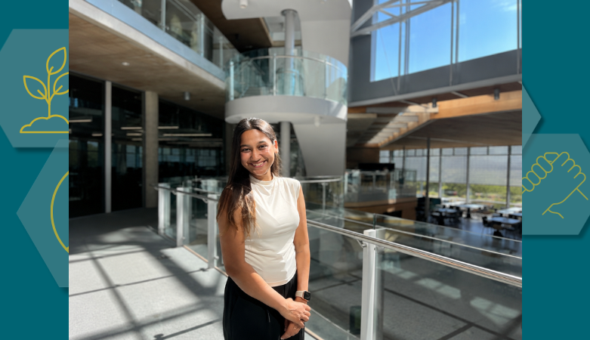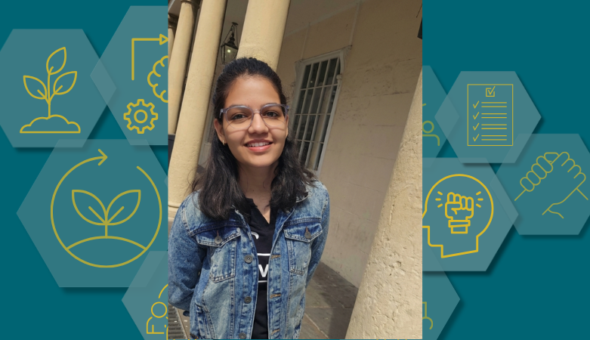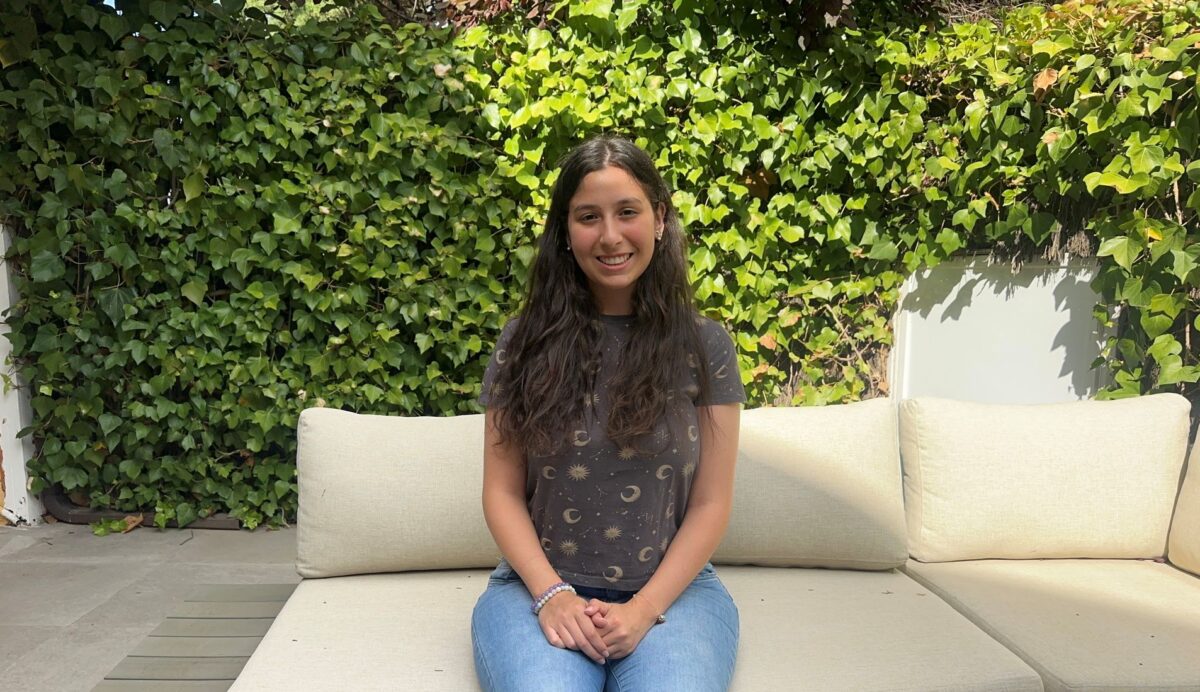
Hi! I’m Daniela and I’m an incoming final year psychology student. At the start of this academic year, I came across the Bath Award, an initiative made to recognise students’ personal development while helping them strengthen four key employability skills of their choice. Having already been involved in a range of extra-curricular activities, including part-time work, volunteering and leadership roles within the university, I saw this initiative as a great opportunity to receive recognition for my current experience and develop key skills: leadership, collaboration, communication and resilience. In this blog, I will share my experience with each stage of the Bath Award and provide tips to help you complete the award successfully and make the most out of the experience.
Logging 50 hours of extra-curricular activity
The first step to complete the Bath Award is logging a total of 50 hours of extra-curricular activity such as part-time jobs, volunteering roles and leadership roles in the University. For me, this was the most straight-forward part of the award, since it is possible to log hours from previous academic years. As a result, I was able to complete this section by including my previous experiences such as being a ResLife and Wellbeing Ambassador, Language PAL leader and a volunteer at various external organisations.
Even if you are in your first year, or you haven’t had the opportunity to complete 50 hours of professional development, there are plenty of resources available through the University to help you reach this goal. One of the resources I found most useful was the part-time jobs portal on the SU website, which regularly hosts job opportunities both within and outside the University.
Alternatively, if you are looking to make a positive impact while developing valuable skills, the SU volunteering portal also offers plenty of opportunities. Through this platform, I was able to volunteer in organisations such as Healthwatch BANES and Mencap, where I gained valuable experiences while contributing to meaningful causes. Ultimately, whether you choose paid work, volunteering or both, there are numerous opportunities available to help you reach the 50-hour milestone and complete the first section of the Bath Award.
Completing pieces of professional development
The second and, in my opinion, the most challenging part of the Bath Award is to complete three professional development pieces for each of your chosen skills: a LinkedIn Learning course, a Bath Award-endorsed workshop and an external resource of your choice*.
Starting with the LinkedIn Learning courses, I found them to be the least engaging of the three. Compared to the workshops, the courses felt a lot less interactive, and there was less flexibility to choose topics aligned with my specific interests. As a result, it can be tempting to rush through the content and overlook some of the advice. However, I found that putting in the effort to engage with the courses paid off, since many modules provided practical tips for each of my chosen skills. Therefore, my main tip is to treat these courses as an opportunity to gain some valuable advice, rather than a requirement to tick off, even if it may seem difficult at the start.
Moving on to the Bath Award-endorsed workshops, I thought these were a great opportunity to develop my skills directly alongside other students. The main struggle I had with this section was predicting when I would be available for certain sessions, which would often result in workshops I was interested in becoming full before I could sign up. As a result, for the workshops, I recommend signing up to workshops you find interesting soon after they are released, even if they are months away, and trying to schedule your plans around it instead of trying to predict when you might be free.
Lastly, I found that although the idea of having to find my own resources initially felt somewhat intimidating and time-consuming, I quickly realised that it provided a valuable opportunity to explore organisations I was already familiar with. For example, for my resilience resource, I chose an article from Mind, a charity I have previously engaged with and am interested in. This made the process more meaningful, as I was able to find high-quality information from a source I trusted.
Overall, although this section required time and organisation, each activity contributed to developing my chosen skills in a different way. By engaging fully with the resources, I found the experience valuable and rewarding.
Final thoughts
After completing the Bath Award, I can confidently say it was a rewarding experience which allowed me to reflect on all my extra-curricular activities and take a more active approach to developing my employability skills. I would recommend this initiative to any Bath student looking to enhance their employability, and my biggest advice is to start early, stay organised and make the most out of the resources.
*Note that the professional development aspect of the award has been updated for 2026-27, so make sure you read the current guidance to ensure you're completing the right activities for your professional development component.
Respond