Hi! I'm Genevieve, a MEng Civil Engineering student at Bath. In May, right in the middle of exam season, I found out the company I was with for my ICE QUEST Scholarship could no longer offer me a placement year. Suddenly I had no plan, and everyone else already did.
The university's careers team, especially Rose, helped me regroup fast. We reworked my CV, talked through my options, and by the end of the week I was sending speculative applications to anywhere that might have something available. Most companies had already filled their placements months earlier, that's just the reality of starting this late, even when it isn't your choice. But Kilnbridge said yes. They created an undergraduate engineer role for me on Old Oak Common, the new HS2 station that will connect HS2, the Elizabeth Line and the Great Western Main Line. If you're reading this worried that a placement plan falling through means you've missed your chance, it doesn't. It just means you have an extra challenge to overcome.
Learning by moving around
I joined the drainage and utilities team, the largest scope of work on site, and over the ten months I've worked across six different areas. Each one taught me something different, from setting out next to a live railway line to leading a dilapidation survey across 7,000 square metres. Moving around this much meant constantly relearning, but it also gave me a much broader picture of how a project this size actually comes together. I don't think I'd have built the same picture if I’d stayed in one place for the full ten months; this breadth of exposure was a unique opportunity for my placement.
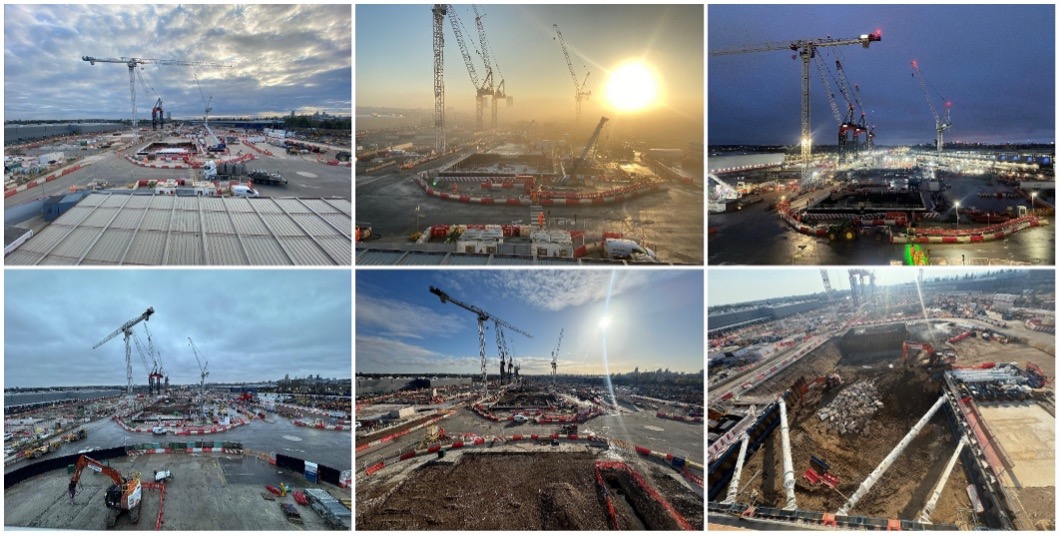
Site progress throughout my placement.
Alongside all of that
Plenty of my time wasn't tied to a single area at all. I learnt how to write Task Briefing Sheets, breaking complex pour procedures down into steps someone could follow without me standing over their shoulder. I picked up the practical side too: installing deep drainage, reinforced concrete pours, setting out, permanent works and temporary works. I also took on a system that had been quietly broken: the site diary, which three different teams needed for three different reasons and none of them were 100% happy with. I rebuilt it so it actually worked for everyone, and it's still the version being used now. On top of that, I helped welcome some of the new engineers joining our team, getting them set up with the right drawings and taking them round the site so they weren't starting from nothing.
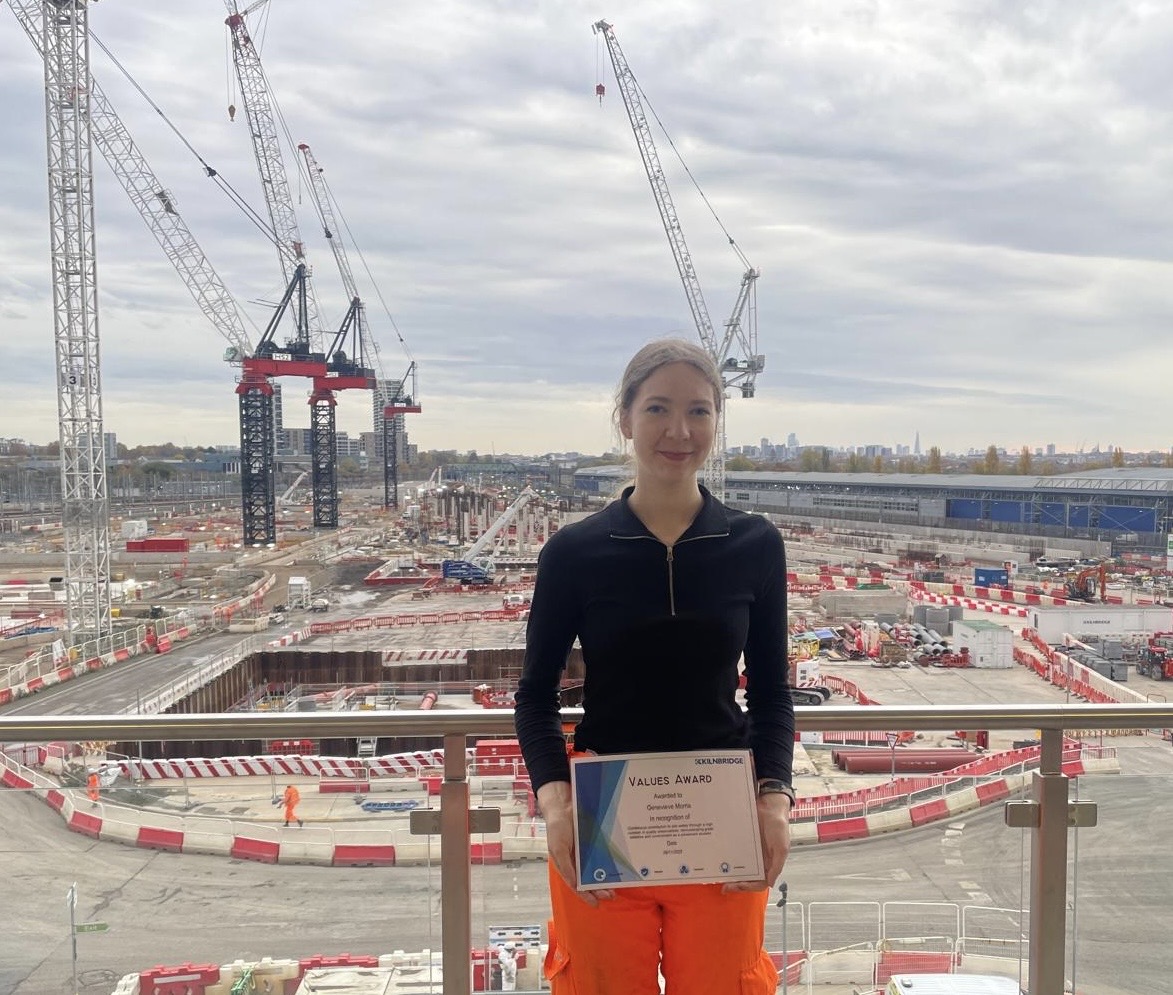
Receiving my first award with Kilnbridge.
Finding my favourite project in the last place I expected
If you'd asked me back in January, I would not have picked CA05, the site's haul road. I was settled somewhere I liked, and getting moved onto it felt like a step away from what I wanted to be doing. It turned out to be the best thing that happened to my placement.
CA05 was relentless. For long stretches I was just doing my best to keep going day after day: a road only 150 metres long, but with fifteen concrete bay pours to plan, set out and get right, on top of everything else going on. We had to develop a method for hitting cover requirements with what was already available on site, I had to hold my ground when I disagreed with a decision on a concrete delivery I didn't trust, and work through setting-out problems nobody else had spotted yet. It pushed me further than any other part of the placement, and it's the area I'm proudest of. CA05 ended up the best-performing section on site against programme, and I don't think that happens without being uncomfortable first.
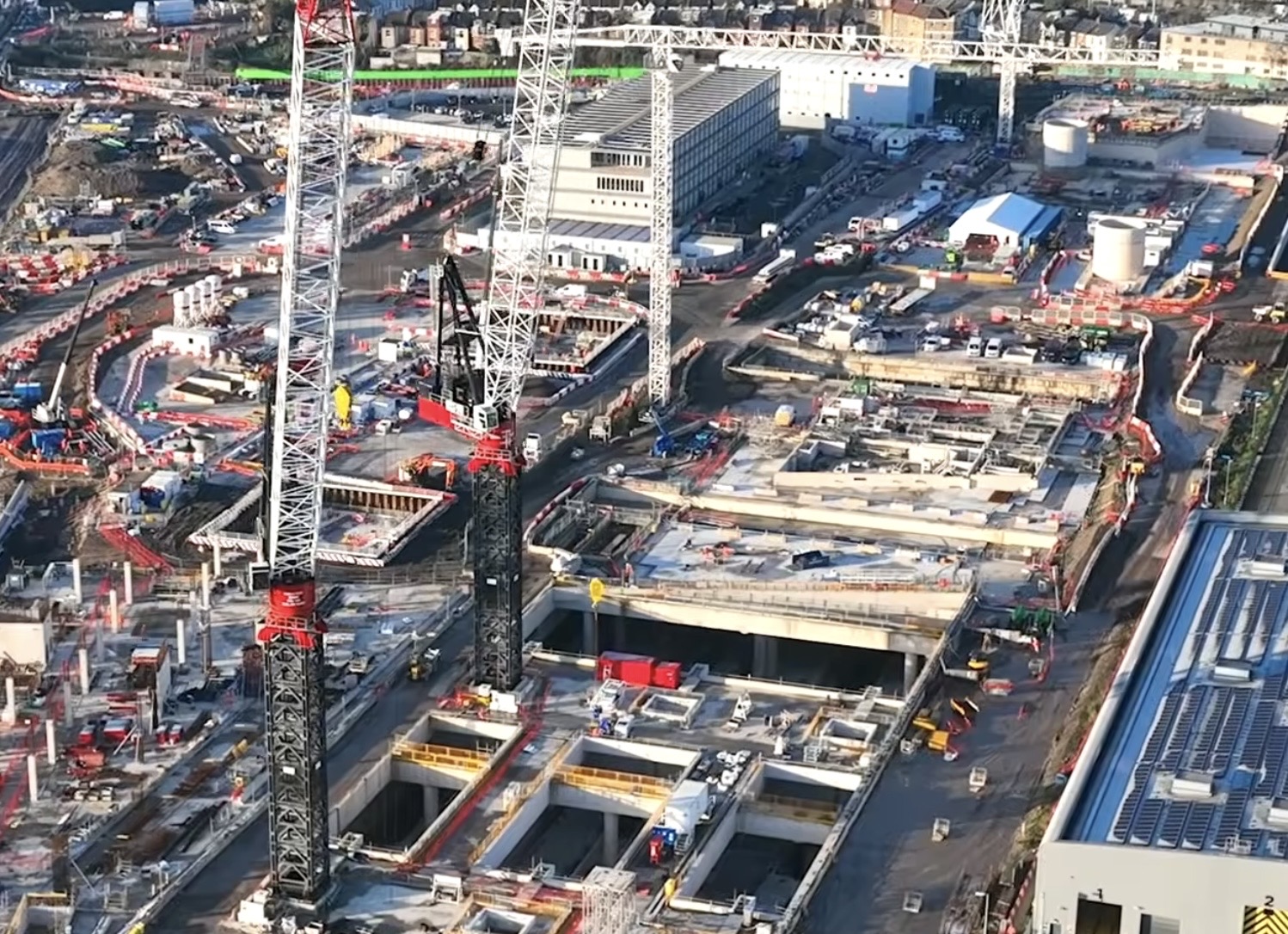
Drone shot from site.
What it's actually taught me
The technical side of this year has been huge. I now properly understand how site engineering fits together, from processing over a thousand ferroscans against a six-week deadline to catching a geogrid installation error before it became a structural problem. But if I'm honest, the bigger shift has been in the skills nobody puts on a spec sheet: standing my ground with a construction manager with decades more experience than me, delivering a safety presentation to 100 people with barely an hour's notice, learning how to build trust before its needed, and learning that admitting a mistake early is worth far more than hiding one. University teaches you how to calculate things. Placement teaches you how to be an engineer people trust.
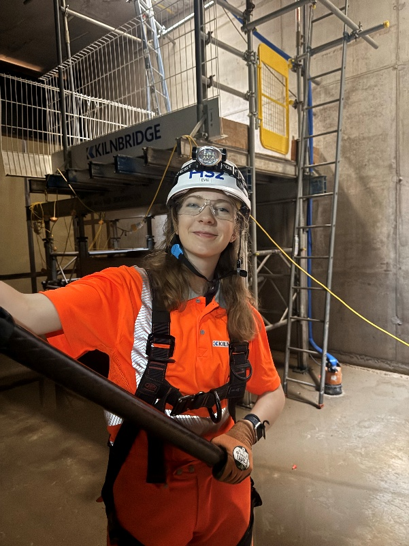
Ferroscanning in the West HS2 Attenuation tank.
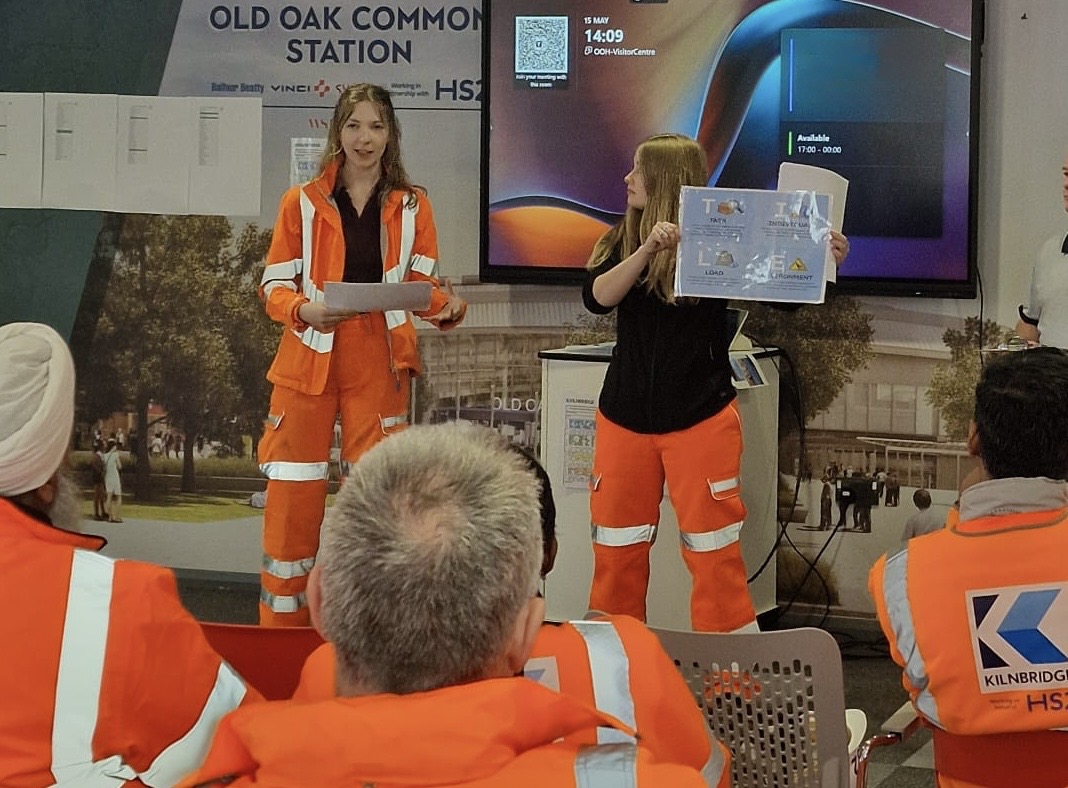 Delivering a Health and safety presentation at the company’s annual safety standown.
If you're thinking about it
Do it, even if your plan falls apart first. A placement year is a steep learning curve, and a lot of what you actually carry forward afterwards isn't what you expected going in. It's learning how a live site actually runs: the coordination between contractors, the pace of decisions, and how problems get solved on the ground rather than on paper. If your first choice falls through, that's not the end of the story. Mine started with a rejection email in May, and it's turned into the thing I'm most proud of from my whole degree so far.
Respond