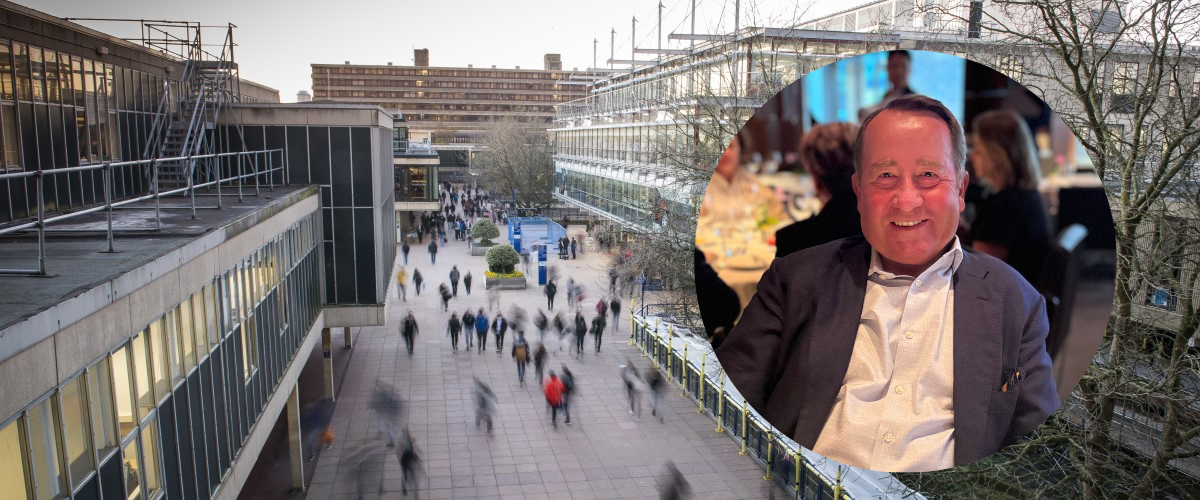
Gary arrived in Bath with a duffel coat, a suitcase and a determination to get a place on the football team. More than 40 years later, he looks at Bath as the start of a life he could never have imagined.
From selling Kit Kats in the South West to a career in stockbroking that saw him relocate to New York, Gary tells us about the friendships that shaped him, the career move that changed his path and why he gives back to Bath as a member of the US Foundation Board.
Can you share a bit about your background, and how you ended up coming to Bath?
I grew up in Belfast during the Troubles, so it wasn't a great time of economic prosperity. My mother actively encouraged all of us to go to college in England. It was never really a question that I would go to college; I was just trying to work out what subject to do. I might have been naïve at the time, but economics sounded vaguely business-related, and I thought I’d go for that.
I didn't have an A-level in maths, which you needed to get in, so I had to come over and pass an aptitude test. I got the ferry to Liverpool and then took the train over to Bath. I stepped out at Bath Spa on a beautiful sunny day. You can’t even imagine the difference between Belfast and Bath.
I came back determined that Bath was going to be my number one choice because the place just looked gorgeous. Bath became the only place I was going to be happy with.
What happened next?
I got in and off I went. My mum dropped me off at the ferry with my duffel coat and a suitcase. I came over a week early to try for the football team – I was a keen footballer. I got to my accommodation at Wessex House, and one of the guys in the kitchen – who became a great friend – took the mick out of me for turning up in a duffel coat in late August. The football trial went okay – I started on the second XI, graduated to the first team after about a term, played for the first XI all the way through, and captained the team in my last year.
That was a massive part of my time at Bath. The pivotal thing in my life has been the friendships that came out of the football experience.
How did you find the academic side of things?
I spent a lot of time on the football field as that was my passion, but I did well enough to get a high 2:1. It gave me a good knowledge of the basics, and it signalled to future employers that I had some academic grounding in a related field, which mattered for a path into finance.
What did you do after graduating?
The first job I got after graduating was selling chocolate – I was a candy salesman for Rowntree Mackintosh, selling Kit Kats in the South West. I stayed in Bath for the first year and a half, on four and a half grand a year, which wasn't going to change my world. I then found a job in London doing industrial lending – cold calling, knocking on doors – which taught me to have a thick skin.
You then moved into stockbroking. How did that happen?
One of my buddies from the football team had started a career in stockbroking a few years ahead of me, as his father had connections. He told me to think about a career in the City, and I said I thought that was just for Oxbridge kids. He told me the City was changing, and that he thought I'd do well. He introduced me to his boss, and I made the move. That was it for the next 40 years.
When did you make the move to the US?
In 1991, UBS asked me to move to the States for a couple of years to run their European sales desk in North America. I'd spent a couple of summers teaching football in US summer camps, so I already had some experience of the States. I said yes and moved over. My girlfriend followed about six months later, and what was meant to be a year or two turned into a lifetime.
How did the rest of your career progress, and was the adjustment to living and working in the US an easy one?
I was at UBS for 12 or 13 years, then moved through a series of firms, as there was a lot of merger activity in banking. For the last seven years of my career, I was CEO of the North American subsidiary of a Dutch bank.
The adjustment itself was easy. In New York, if you're young and willing to work hard, you get rewarded financially. I was already familiar with American culture from the summer camps I taught at, and one of my best friends married an American student. The only real adjustment was being at my desk by 6am, working until around 5.30pm, then going out to bars. It was 14-plus-hour days, five days a week. But it paid off. I found myself at the right time, in the right place, in the right profession.
How did you come to join the US Foundation Board?
Gavin Maggs (ex-Director of Development & Alumni Relations) turned up in my office. I asked what he wanted, and I think he was a bit taken aback by my boldness. I told them that to make an impact in the US market, you need to be more direct, because the "giving back" ethos is much more accepted in the States than in the UK.
That was the start of the relationship. From there, I hosted events to support the University – our building in New York had a roof terrace over Central Park, and I hosted the previous Vice-Chancellor and fellow Bath alumni who were donors. I've done two terms on the board.
Why do you choose to volunteer your time to Bath in this way? 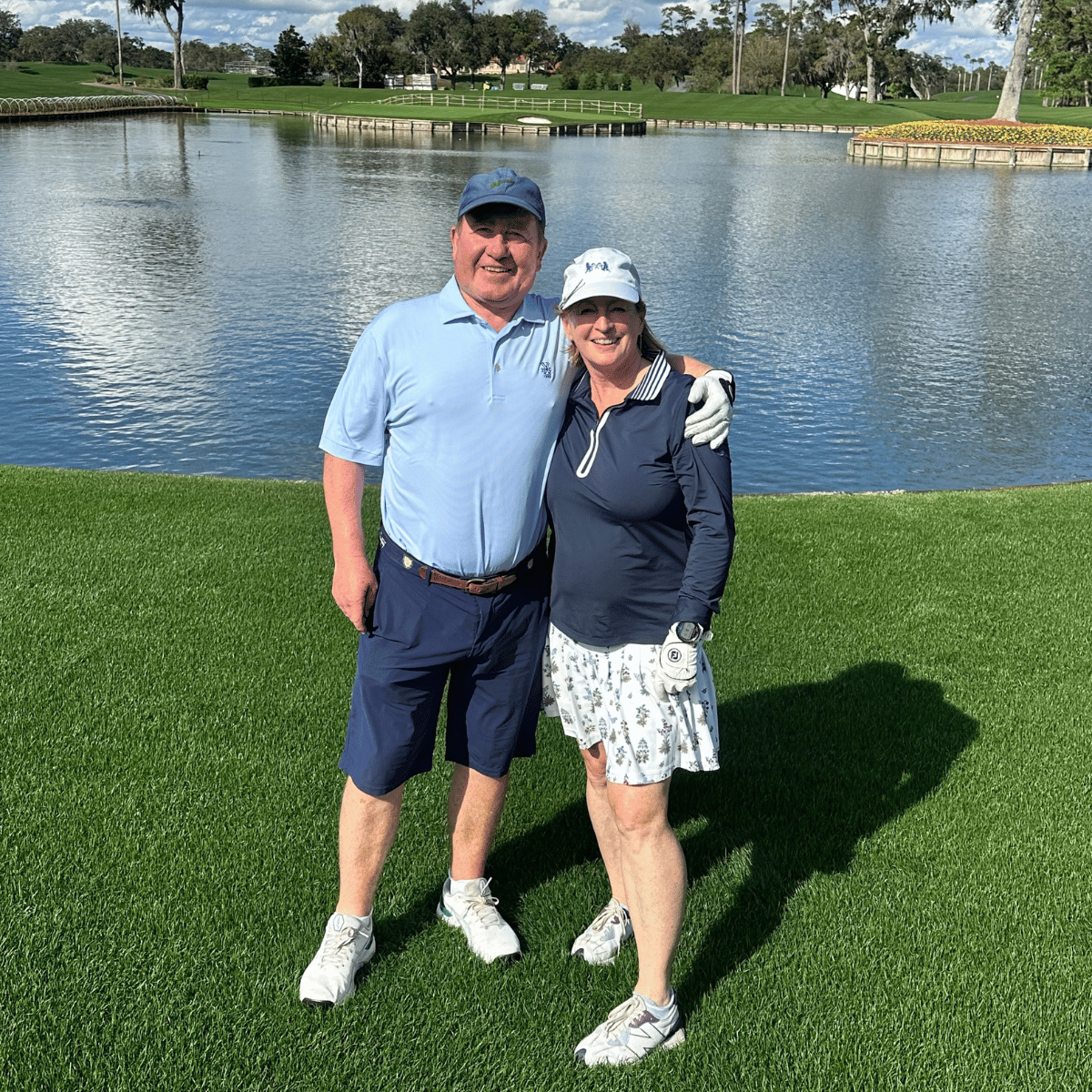
I’ve had an amazing life, and I've always felt an enormous depth of gratitude to Bath – not just for the degree, but for the relationships I built there, many through football. I wouldn't have had the life I've had without it. It's a long way from Belfast.
What advice would you give to students on alumni?
Working hard is vital. You might not be the brightest in the room, but if you work hard, you’ll succeed.
Respond