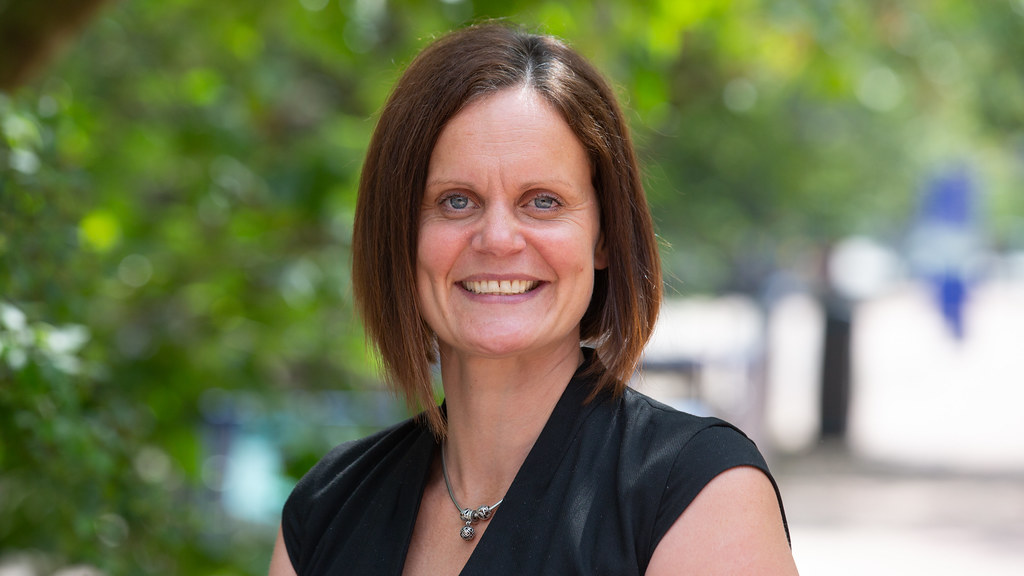

Disability History Month gives us an opportunity to reflect on the progress we’ve made - and the work still ahead - to make Bath a truly inclusive place for every student. Recently, I met with Isobel, a Mathematics student who chairs the SU’s Diversity and Support Executive Committee and sits on the Disability Action Group. Isobel is a passionate advocate for change, and our conversation reminded me how much we can achieve when we work together.
Isobel shared how the SU’s Diversity & Support groups collaborate on campaigns that intersect different student communities, such as improving SU policies or tackling gender-based violence. That spirit of partnership is something we’re embracing through the Inclusive Education Project, one of my strategic priorities this year. This work is driven by external requirements, such as the Equality Act and EHRC guidance, as well as internal feedback , including the Disability Service audit and the rise in IMC applications. These tell us that some processes aren’t working as well as they could, particularly for students with disabilities, long-term health conditions and/or specific learning difficulties.
The project focuses on three key areas:
- Embedding Inclusive approaches across learning, teaching and assessment activities
- Enhancing Disability Access Plans (DAPs)
- Improving Additional Considerations (IMCs) processes.
Isobel and I spoke in depth about the first area, and the current work colleagues have undertaken to draft a proposed Inclusive Learning, Teaching and Assessment Framework. The draft framework consists of three levels, starting with Level 1, which is based on the principles of Universal Design for Learning. This means standard inclusive practices will be built into teaching, learning, and assessment for all students - without requiring requests or evidence - reducing pressure on both students and staff.
If a student’s needs go beyond what’s already built in, Level 2 offers individual adjustments that can be added (e.g. extra time or a scribe in exams, or a specialist mentor). Level 3 of the framework then applies in rare situations which require bespoke solutions. These exceptional adjustments need specialist input and formal approval. Each level will be accompanied by clear procedures and recommended adjustments, so colleagues feel confident in supporting disabled students.
Isobel welcomed these potential changes and shared her experience as a Student Outreach Ambassador, where she helped design training to make events more inclusive - such as providing clear accessibility information for events and using alt text for images. These small steps make a big difference, and the same applies in teaching and assessment. Staff consultation on the proposed Framework is already underway, and we are starting student consultation activities in partnership with the SU Voice team. Staff can find out more on the Project’s SharePoint site, while students can contact the SU Voice team.
We also reflected on last year’s Disability History Month video, where Isobel spoke about how reassuring it was when a lecturer openly invited students to discuss support needs. That simple gesture - acknowledging the topic and showing willingness to help - can make a huge impact. Isobel noted that staff are talking more about disability this year in teaching sessions, and that matters. It’s not about having all the answers; it’s about starting the conversation and working together.
Isobel gave another powerful example: before a recent interview, she received an email checking in and asking if any adjustments were needed. That proactive approach made her feel comfortable disclosing her disability and performing at her best. Flexibility and communication are key.
We also touched on the SU’s Top Ten priorities for 2025-26, two of which link directly to our Inclusive Education work. Isobel highlighted the stress students face around exams and coursework deadlines and how this could be exacerbated for some disabled students, especially when there is uncertainty around IMC applications and outcomes. Clearer processes and ongoing contact can help students make informed decisions and feel more confident about the support mechanisms available. She also suggested the university celebrate and promote positive changes to students, however small, and emphasised the importance of embedding continuous dialogue with disabled students as things evolve. I agree!
Disability History Month is a time to reflect - but also to act. Thank you to Isobel and all the students and staff helping us shape a more inclusive University. Let’s keep the conversation going - and keep making progress together.
Contact me directly at pro-vc-se@bath.ac.uk if you have a question or would like to suggest future topics for my blog.
Respond
