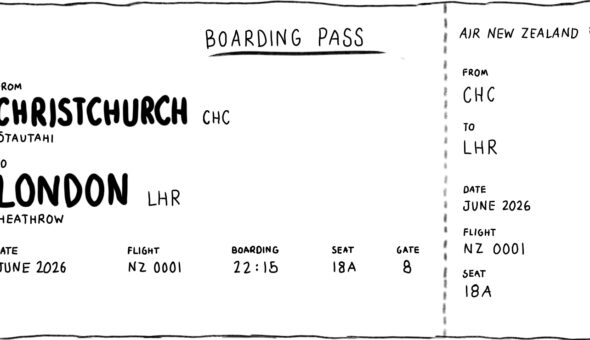
Hi everyone! I’m Riya, a third-year Psychology student currently on placement in London as an Honorary Assistant Psychologist. I’m about four months into working with the Traumatic Stress Service (TSS), a specialist service within the NHS that provides evidence-based support to people experiencing PTSD. Today, I’ll take you through what a typical in-person workday looks like.
As I work a part-time role, I work across three days: one remote and two on-site days. I will focus more on what being in the office is like, as my remote day mostly involves a lot of meetings, admin, and reading.
7:30 - The Commute
As someone new to London, navigating the transport system at first was… an interesting experience 🥴. During my first week, I avoided the Tube entirely and took buses everywhere- I was very worried of ending up on the wrong line. Now, the commute is genuinely one of my favourite parts of the day. I get a bit of fresh air, music, and some space to mentally prepare before work. The tube is also quite easy to navigate, especially with the London TFL apps that show you the best routes around London. This brings me to my-
Tip for future placement students:
Do a test run of your commute before your first day. It reduced so much anxiety for me and helped me figure out how much time I needed, and which routes were reliable.
9:00 - Starting the workday
Once I’m in I usually:
- Check emails
- Organise my to-do list (I highly recommend keeping a work notebook!)
- Prioritise tasks for the day
Most of my team meetings happen on my work-from-home day, so my time in the office is usually used for clinical and admin work like:
- Updating progress notes on the NHS system
- Recording client assessment measures
- Maintaining our client databases
Some days may also begin with observing assessment sessions with other clinicians, where we complete a detailed clinical assessment of a client to see if they are suitable for PTSD treatment within our service. These sessions have personally been one of my most valuable learning experiences; especially as I get to reflect on the client’s symptomalogy with an experienced psychologist.
13:00 - Lunch!
Lunch is a nice part of the day where I get to catch up with my colleagues. This down-time away from our screens also gives us a well-needed break. I normally grab a Sainsbury's meal deal on days I don’t cook, but I’m slowly working my way up to explore food places nearby (I’ll report back soon!).
14:00 to 17:00 - Post-lunch
The rest of the afternoon depends on the week. Some days I make check-in calls to clients who attend a support group I help run, which focuses on setting goals and transition after trauma therapy. I was really nervous about these calls at first, but they’ve become a really meaningful part of my role.
I also spend time preparing for psychoeducation presentations for this group. This is a great opportunity to talk to clients and present interesting topics relating to PTSD.
Towards the end of the week, I have a meeting with my supervisor to reflect on my workload, wellbeing, and goals for the upcoming weeks. These sessions are incredibly helpful and allow me to reflect on my work.
18:00 - Winding Down
By the time I’m back home, I usually feel quite tired but fulfilled. On workdays, I try not to pressure myself to be “productive” once I'm home- I de-compress, call my family and friends, watch something comforting, and rest.
I do realise that I get this time as I only work three days a week; I can use my spare days to finish my chores, uni work, and do more fun things like exploring London.
In fact, I have also been trying to find other part-time work alongside this role during my free days. But here’s an important honest note:
Finding part-time paid work alongside an unpaid placement in London can be very difficult and time-consuming- especially in areas with many students.
The process of finding a part-time job here can be very slow. On quieter days, I still make sure to go for walks, explore new places and restaurants, or meet friends. But fewer work days is definitely something to consider if you're applying for similar part-time placements.
Final thoughts
Overall, I’m really enjoying my placement so far! Being part of a clinical team and seeing how psychological therapy supports real people has shown me personally how much I enjoy clinical psychology.
If you’re considering an NHS placement, especially one in a mental health service, I honestly highly recommend it. It may be challenging at times, but the learning, supervision, and hands-on experience are truly invaluable. Whether you’re interested in clinical psychology, or just curious about applied psychology beyond lectures, this kind of placement can give you a great sense of what clinical work generally looks like. A big plus is if you have a part-time role alongside these NHS placements!
I hope this gives you a helpful look into what the typical day-to-day can be like for an Assistant Psychologist. Thanks for reading! ❤️
Respond