
Watching pornography to learn about sex is increasingly common, but the sex acts being depicted can be violent and aggressive, especially toward women. The government recently introduced legislation to ban depictions of strangulation or ‘choking’ in porn. This blog explores why this is important and what you should keep in mind if you’re watching porn.
This blog covers:
- Three key messages
- What’s depicted in porn isn’t ‘real’ sex
- There’s evidence that watching porn can shape behaviours and thoughts about sex
- Focus on consent
- Further resources
- Support information and signposting
There are three key messages to take away if you are watching porn that may help to inform your viewing:
- What is depicted in pornography isn’t ‘real’ sex
When watching porn, it might seem like the people on screen are really enjoying themselves, whatever sexual act they are doing. However, it’s important to keep in mind that the actors perform sexual acts to generate user engagement, which makes them, and the production company, money. This performative aspect means that it’s near impossible to tell the difference between performance and real pleasure, even in so called ‘homemade’ porn. All porn is performance (and is created for that purpose), and therefore these depictions do not necessarily reflect real world experiences or scenarios.
When you start to think about, or start having, sex, it might be tempting to try and emulate what you see in porn. However, what might seem like a common act in porn might be a lot riskier and more complicated to engage in than porn suggests. For example, you may notice videos depicting strangulation or ‘choking’ in sex, where everyone may look like they’re having a good time. In reality, engaging in acts like strangulation can be really risky, and the in-depth discussions around desires, worries, risk and consent that are essential between sexual partners in real life are completely left out of porn scenes. On the contrary, many portrayals wrongly show strangulation as simple and without consequences. The Institute for Addressing Strangulation makes it clear that even brief compression of the neck, such as the pressure used to open a can of coke, can cause:
- brain injury
- stroke
- vocal cord damage
- loss of consciousness
- delayed fatality (hours or days later)
The biological risks are significant, even when no marks are visible. So, it’s important to remember that just because it’s being shown in porn, that doesn’t mean that it’s ‘real’ sex, or that you should do the same acts.
- There’s evidence that watching pornography can shape behaviours and thoughts about sex
Many young people watch porn to learn about how to have sex. A 2020 report by the British Board of Film Classification found that 51% of 11–13-year-olds in the UK had seen pornography, with some seeing it as young as age 7. With these high numbers, it makes sense that these viewing habits have influenced many young people’s behaviours and thoughts about sex.
Porn depicting violent and aggressive acts can be very problematic for young people seeking to learn about sex. A report by the Children’s Commissioner’s Office in 2023 found that almost 80% of people aged 18-21 had seen sexual violence in porn by the age of 18. A report by Women’s Aid Ireland compiled research about the content of porn and found that 45% of porn scenes contain acts of physical aggression, and in 97% of these scenes, women were the victims of such aggression. Seeing this type of misogynistic violence no doubt affects what is seen as normal sexual behaviour. Evidence of this association was found in a 2021 government literature review on the topic, which connected the use of pornography to harmful sexual attitudes and behaviours towards women.
Off the back of these reports, changes are now being made to how porn is produced and accessed to limit young people from viewing (and normalising) sexual violence. Last year, the government announced it would legislate to prohibit depictions of non-fatal strangulation in pornography. This announcement followed changes to Online Safety laws which introduced age verification to adult content webpages and social media content. With these changes, concerns about online safety have reached a new high, as politicians, law-makers, teachers, and campaigners continue to raise concerns about porn’s impact on sexual behaviours. Hopefully these changes mean that production companies and platforms will be held to account for promoting violent and misogynistic content. The increased public concern may lead you to consider your own relationship to porn use and its impact on your sexual behaviours.
- Focus on consent
Whilst watching porn can be useful for discovering new, fun ways to have sex, it can also create pressure or expectations to do or say things that you aren’t sure about. It’s good to think about what you really feel comfortable doing with a partner while considering the risks (this is especially the case with strangulation, as there is no safe way to strangle – read our blog The Truth about ‘Choking’ during Sex: Understanding Serious Risk and Harm of Strangulation for more information). It can also lead to legal complications, read our blog ‘Choking’ during sex isn’t just risky, it’s against the law! for more information. Most importantly, you should never assume that someone wants to do any sexual act – you should always discuss it with them first and seek consent for every sexual act. Your sexual partner may have never watched porn, they may have never had sex, or they may have had a negative experience in the past. You never know whether someone is comfortable with a sexual act until you ask them.
Communication with your sexual partner is the best way to ensure that everyone’s needs are met, which leads to more mutual enjoyment, pleasure, and all-round better sex.
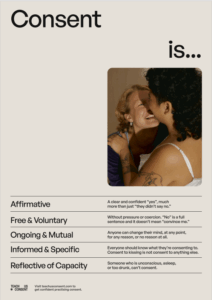
Resources for learning about sex, consent, and relationships:
The Mix - resources for under 25s on various topics, including sex and relationships
Brook – free and confidential sexual health and wellbeing advice
Teach Us Consent - podcasts, articles, videos to help improve sex education for young people
Split Banana - sex education initiative with blogs and great signposting resources
BISH - Q&A style sex advice articles for over 14 year olds
Where to go for further advice, information and support
Support at the University of Bath
If you need support after an experience of strangulation or forms of sexual violence, there are many places to turn to.
In an emergency (if you feel unsafe, like someone will hurt you, or you may hurt yourself), call 999.
For students
Student Support Advisers can help. Visit the Roper Centre (4 West) or complete the online form. They may refer you to the Sexual Violence and Domestic Abuse Response Service (SVDARS), who offer specialist support, safety advice, and guidance on reporting.
Students and staff can also report an incident of strangulation or access confidential advice through the Support and Report tool.
For staff
Staff can speak to their HR Advisor for support.
Health Assured also offers free, confidential counselling and wellbeing advice to staff members.
Specialist external support
- Visit a Sexual Assault Referral Centre (SARC) for support after sexual harm. The Bridge is the SARC for Bath and Somerset and they provide support 24/7
- Student Support at the University of Bath
- National Domestic Abuse Helpline (run by Refuge) available 24/7: 0800 2000 247
- Galop (for LGBTQ+ survivors of abuse) available various times, see website: 0800 999 5428
- Men’s Advice Line (run by Respect) available Mon-Fri 10am-5pm: 0808 8010 327
- Respect Phoneline (for people perpetrating harm & abuse) available Mon-Fri 10am-5pm: 0808 8024 040
Respond