From huge-selling reunion tours to blockbuster movie reboots, customers seem increasingly keen to pay for a slice of the past. Dr Varala Maraj explains the marketing science behind the cultural movement.
Oasis reunion tours, low-rise baggy jeans and other Y2K fashion trends, vinyl records and chunky bedazzled ‘dumb’ phones – nostalgia seems to be the gift that keeps on giving for marketers.
But what is nostalgia, and are consumers actually nostalgic or simply being targeted with nostalgia-inducing products? And can we be nostalgic about the recent past, or even for eras we have not lived ourselves?
Nostalgia has a deep-rooted history, often associated with a particular type of melancholy – a homesickness, a yearning for yesteryear. Our senses, emotions and memory have the capacity to cultivate rich nostalgic associations.
Consumer researchers and marketers have long tapped into our tendency to romanticise the past, purposefully designing brands and products that evoke memory and sentiment – even beyond our own lived experiences.
Personal nostalgia
We have all likely felt some nostalgic fondness for our childhood or adolescence. This personal nostalgia is grounded in lived experience – a rosy retrospection of the ‘good old days’ when life seemed simpler and more carefree.
Amid today’s volatile social and political climates, nostalgia can serve as an emotional refuge, helping consumers cope with uncertainty.
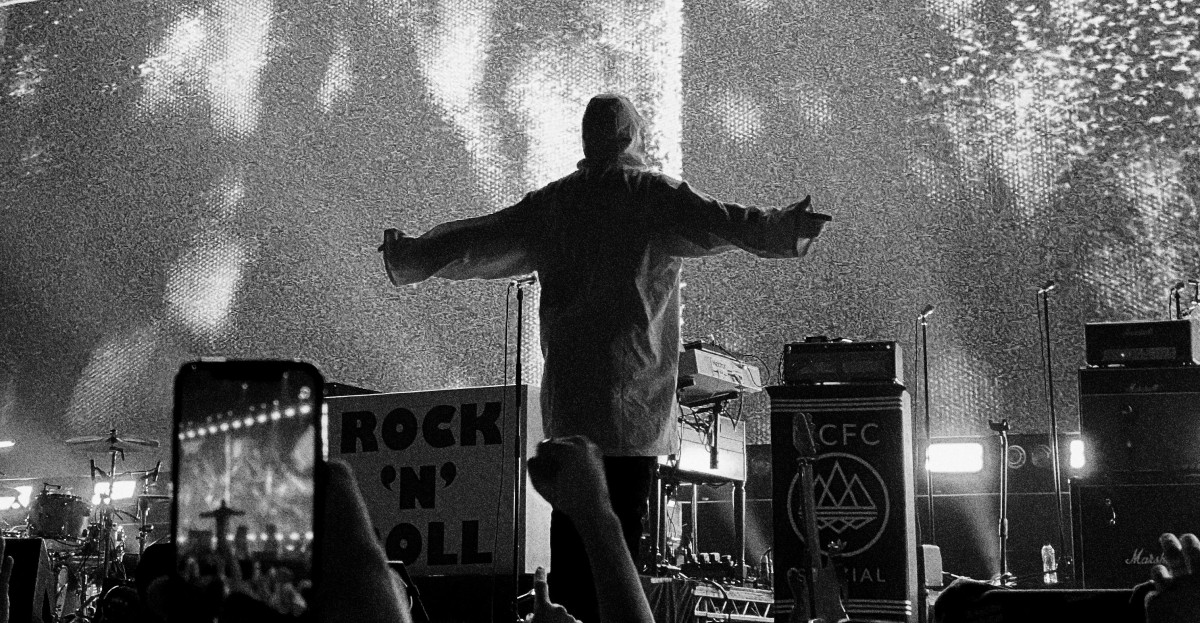
Marketers are especially adept at capturing millennials’ nostalgia. The 2025 Oasis reunion tour is a striking example: a deeply symbolic event that evokes personal memories, British pop culture, and a spirit of reconciliation between the Gallagher brothers – whose feud undoubtedly makes their reunion all the more celebrated.
The Oasis reunion continues to bring together crowds in the tens of thousands across the world, reinforcing the warmth of its nostalgic, wholesome appeal in today’s divisive world. For many, seeing the band back on stage feels like watching the soundtrack of their youth come alive – a powerful fusion of emotion and consumption.
Collective nostalgia
Not all fans braving Ticketmaster for tickets grew up with core ‘90s albums such as Definitely Maybe or (What’s the Story) Morning Glory?. This raises an intriguing question: can we feel nostalgic for a time we never lived? Research in marketing and sociology suggests we can.
Consumers often romanticise eras beyond their lived experience – a phenomenon known as collective nostalgia.
Gen Z consumers, for instance, are known for craving authenticity while simultaneously curating aesthetics from eras that predate them. This is demonstrated by recent market demand for Y2K fashion, analogue film photography and vintage technologies.
These are forms of nostalgia that trade on cultural memory rather than personal experience. They offer consumers comfort, identity and a sense of belonging in an increasingly digital and transient world.
The comfort economy
In today’s commercial landscape, nostalgia is more than just a marketing tactic: it’s social currency. Engaging in nostalgia – be it personal or collective – can enable consumers to demonstrate taste and cultural capital, offering them identity and status-enhancing benefits.
The comfort of nostalgic products and brands can reassure us that during rapid technological and social change, some things can still feel familiar. Whether through the crackle of a vinyl record, a retro football shirt or the sound of a long-awaited Britpop chorus reverberating through the crowd, nostalgia connects emotion, identity, and consumption in profoundly human ways.
Ultimately, nostalgia offers a key to understanding why the past keeps selling – not because we truly wish to go back, but because we want to remember who we were when the world felt simpler.
In giving us a way to do so, nostalgia reminds us that even in a fast-moving world, some feelings remain timeless.
Respond