By Nasta Chebet and Mercy O. Martins
This is the second blog in a series we will be sharing from the recently concluded British Council ELTRA project (Reparative learning and English language teaching in Nepal and Uganda Project. This blog features reflections from Nasta Chebet from Uganda.
In this blog, we hear first-hand from Nasta Chebet, an Assistant Lecturer at Gulu University, who took part in a series of interviews and workshops organised as part of the ELTRA Project. As part of the ethos of the project, we wanted to hear from teachers about whether the conversations and workshops had changed anything about the way they approached their classrooms.
Here, Nasta reflects on what changed in her classroom after taking part in the project.
Seeing my classroom differently
I am Nasta Chebet, an Assistant Lecturer at Gulu University, and I am privileged to share my experiences of reparative learning from a Ugandan perspective. Before the project, I expected to discover how reparative learning could be possible in a classroom environment where, honestly, I did not see much fault. After the project, I was amazed by what reparative learning actually entails and how it opened my eyes to the number of injustices we practice, sometimes without even realising that they tend towards unfairness.
I also discovered that this way of teaching is possible in our Ugandan English-medium classrooms, where traditional forms of teaching and learning are still strongly embraced.
The idea that spoke to me most was creative and multilingual practice.
In many Ugandan classrooms, English is strongly associated with education and success. Because of the inferiority complex brought about by colonialism, there is often pressure to speak English in order to measure up to a particular standard. When a student speaks what is considered “broken English” or mixes English with their mother tongue, such as Acholi, they can be met with harsh correction, shame, or even punishment. This made me realise something important: language learning should not feel like a courtroom. By adopting a reparative learning framework, we can transform our English lessons into safe spaces for healing, truth-telling and deep mutual respect.
From one voice to many perspectives
Before the project, learning
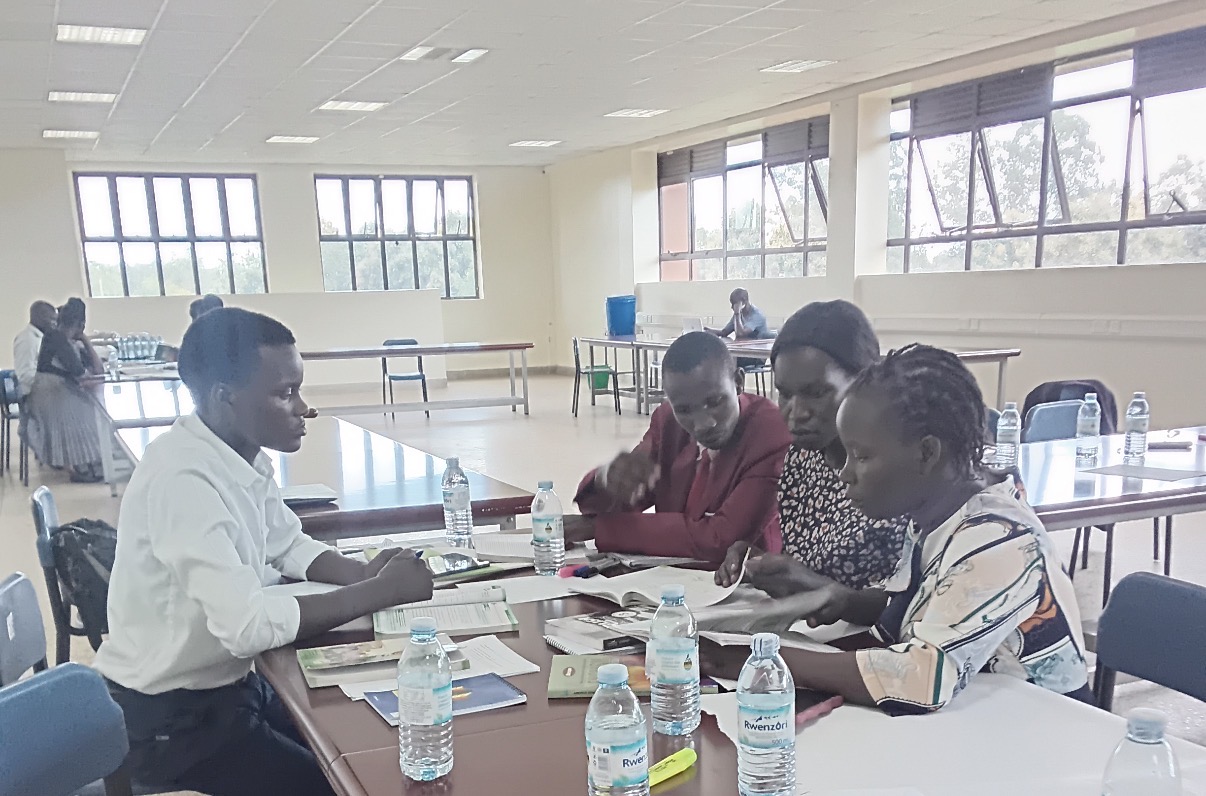
in my classroom was typically one-way, regulated and mostly supplied by the instructor. I would often use presentations from a sample of three or four students to draw broad conclusions about what the class thought. I did not give much thought to whose stories were missing. The good news is that things have changed. I now purposefully incorporate local, real-world contrasts into our lessons. I have learned to listen to people and respect their differing viewpoints, and I have taught this to my students.
Interestingly, I now find myself agreeing with Confucius that, “Everything has beauty, but not everyone sees it.” This has helped me to change my own position as a teacher, demonstrate empathy and teach learners the skill of listening. My students now actively engage with the difficult and real decisions that their neighbours have to make every day, and they are learning to view local issues from different perspectives.
Changing the classroom hierarchy
I believe this change in perspective made it possible for me to think differently about empowerment, solidarity and action. I used to be the room's undisputed ruler. My students often remained silent because of anxiety, embarrassment or low self-esteem. English was strongly enforced, and they were afraid of being laughed at or punished for making a grammatical mistake. I now purposefully try to dismantle the old hierarchy in which the teacher is seen as the source of all knowledge. Instead of viewing classroom discussion as an interrogation, we view it as a shared adventure.
As a result, the environment has changed from a stressful setting into a safer space for expression and togetherness. Students are more willing to speak, to disagree, to ask questions and to share their experiences. This has also changed me as a teacher. I have realised that being the person in the room who knows the most is not necessarily the same as being the person who helps the most.
Making space for difficult conversations
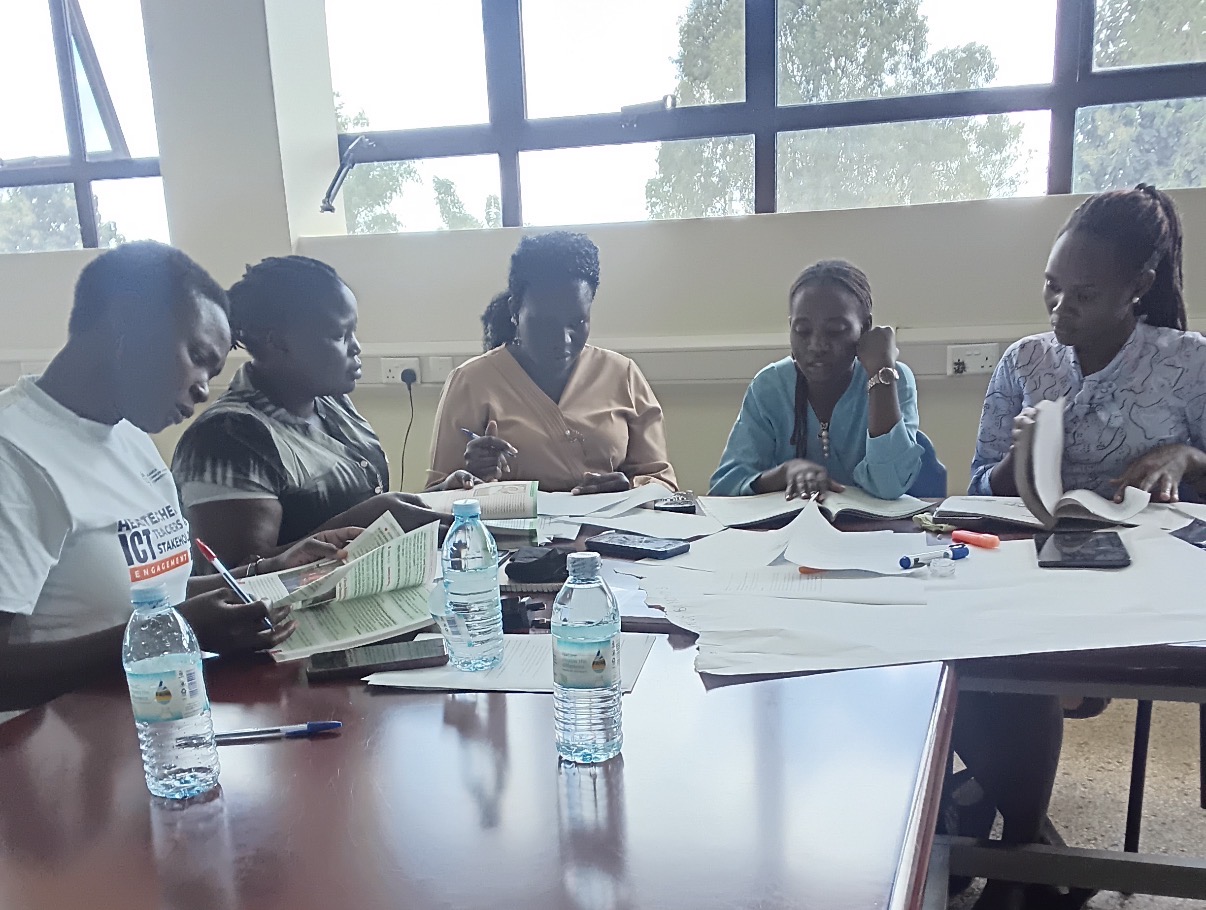
There were also topics that I previously avoided. When teaching English, I would sometimes ignore difficult subjects such as historical conflicts, gender prejudice or the unequal effects of climate change on poorer communities. I believed that these issues were not appropriate for an English language class. I now see things differently. We use our English language time to address serious and pressing issues such as gender inequality, unequal development and historical displacement. English becomes not just a subject to be mastered, but a tool that learners can use to understand and discuss the world around them. Most importantly, I now incorporate translated books that capture rich indigenous knowledge systems into the curriculum.
This challenges the poisonous notion that English is superior to our own languages and heritages. My students are moving from being passive readers to becoming more critical thinkers who see their communities as a treasure of knowledge. They are also beginning to see that their growing language skills can give them a voice to question and challenge structural injustices.
When our languages enter the classroom
This has perhaps been most visible in storytelling and creative writing. Previously, these activities had to follow strict and inflexible rules around British English. Translating stories or using regional expressions could be seen as a failure or even a breach of school expectations. My classroom is now a much more vibrant centre for community storytelling and memory sharing. I invite learners to share oral tales from their grandparents in their native languages, and we work together to translate them into English. We also accommodate different varieties of English and allow deliberate code-switching. This means that a student's lack of English vocabulary is no longer automatically a barrier to sharing an idea. I have seen students' creative confidence rise as a result.
When they see their local traditions and languages being incorporated into English writing, they experience a tremendous sense of pride. They begin to see their languages and cultures not as something that has to be left outside the classroom, but as something valuable that belongs there. They see language as a bridge to create a better world rather than as a cage.
A change in perspective
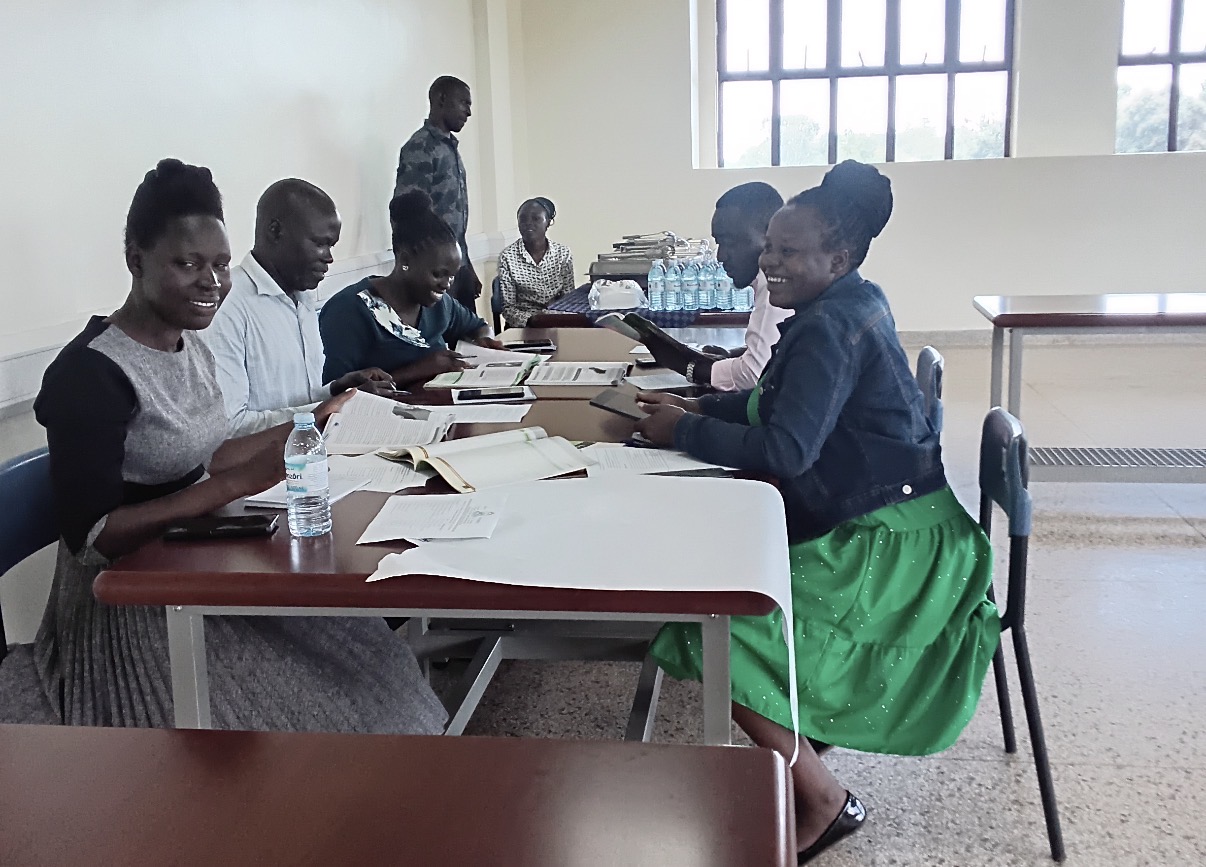
For me, the most important lesson is that creating a reparative classroom in Uganda does not necessarily require creating a completely new curriculum. Sometimes, it requires a shift in perspective. I have learned to ask whose voice is missing, whose knowledge is being valued, who feels safe enough to speak, and what assumptions I might be carrying into my classroom without realising it. When we give up some of our authority as “experts” and replace rigid rules with emotional safety, our classrooms can become places of repair, care and collective joy. That is what has changed in my classroom. And for that, I am grateful.
Respond