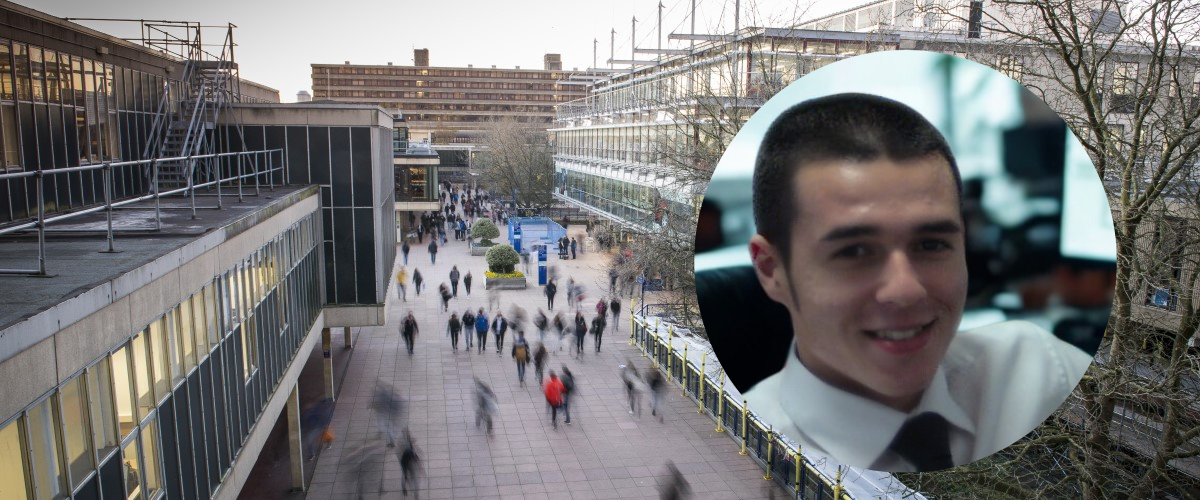
Martin came to Bath with a clear plan: he would work hard and build a career in finance. He followed that path for a while before making a sharp turn, leaving banking and retraining as a massage therapist.
But Martin still wasn’t done exploring. He’s now found his passion in communications, where he’s able to use his creativity while still building an impressive career. His journey shows what can happen when you’re willing to change direction.
Why did you choose to study at Bath?
I chose Bath because of its reputation for excellence in business and management. It was the highest-ranked university I had an offer from, and the BBA “thin sandwich” program—with two integrated placements—was a major draw.
I also liked that Bath is a smaller town. I wanted to immerse myself in my studies, and the environment supported that.
Can you tell us about your experience of studying here? Favourite memories or places?
I spent most of my time studying or at the gym. I rarely went out. Coming from Bulgaria, I’d already spent a good part of the last few years partying, drinking and hitting clubs.
Since my parents were covering my living expenses for the first two years, I also wanted to be mindful about how I spent money.
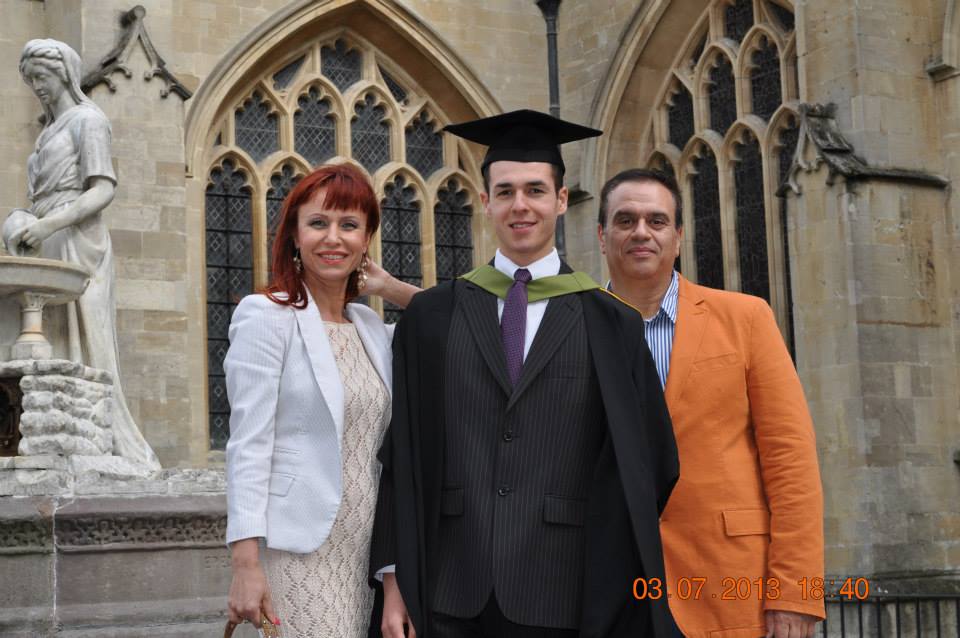
The gym was a major part of my university experience – probably tied with the library for the place I spent the most time. Working out helped me to balance the mental demands of studying.
I made it a point to attend as many lectures and labs as I could. I’ve always felt that the real value of university is in the live interaction with peers and professors.
Were you part of any societies or sports clubs?
I was a member of SOBIC (Students of Bath Investment Club). We pooled money, analysed companies, and ran a small investment portfolio. We even visited a few companies’ HQs to meet management before deciding to invest.
At the time, I was deeply passionate about finance and investing. That interest shaped the early part of my career. These days, I still invest, but it’s more of a routine than a passion.
Describe your career journey since graduating. Describe a typical day in your current role?
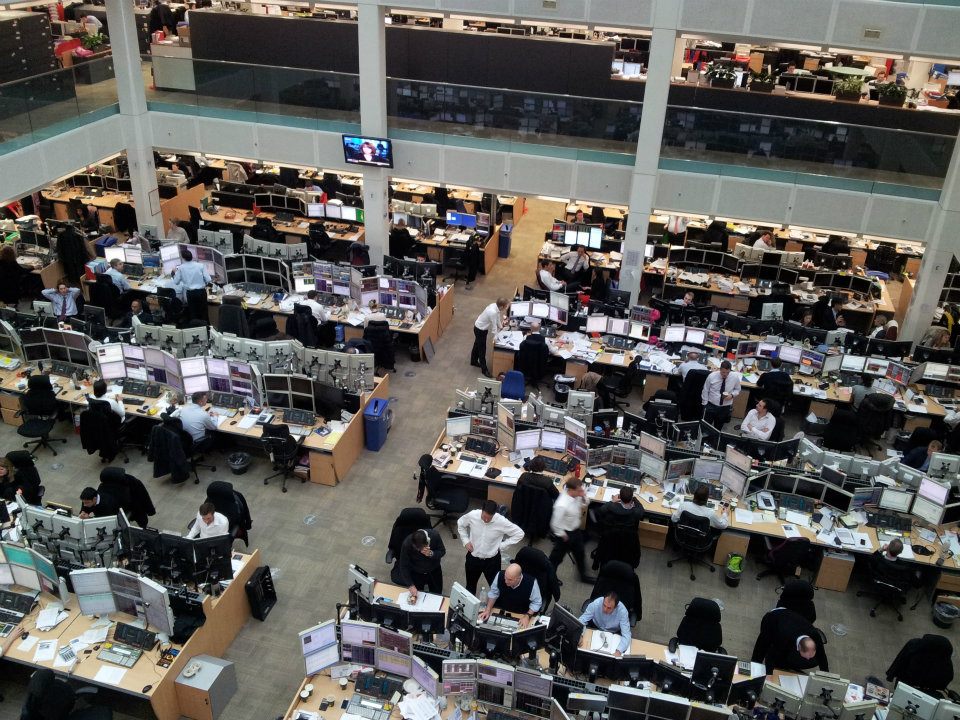
It all started with a spark. I was inspired by a corporate finance lecturer – Anthony Birts, I believe – whose clarity and presence left a strong impression on me. I knew then that I wanted a career in finance. That led to my first placement at BNY Mellon, followed by a spring internship at JP Morgan, and then a second placement at UBS. Those experiences eventually led to a graduate role at HSBC.
Getting those placements was tough. I submitted over 100 applications and sat through more than a dozen interviews before landing two offers. I didn’t interview well at first. But once I was in the job, I performed strongly. For anyone struggling, don’t give up. Your placement is out there! Each “no” will teach you something valuable.
My first placement was unpaid, even though I had a paid offer in a different sector. I chose banking over income. That decision paid off. With BNY Mellon and JP Morgan on my CV, I secured one of the highest-paid placements at UBS. That was a big moment – not just professionally, but personally. It meant financial independence, which had been weighing on me heavily.
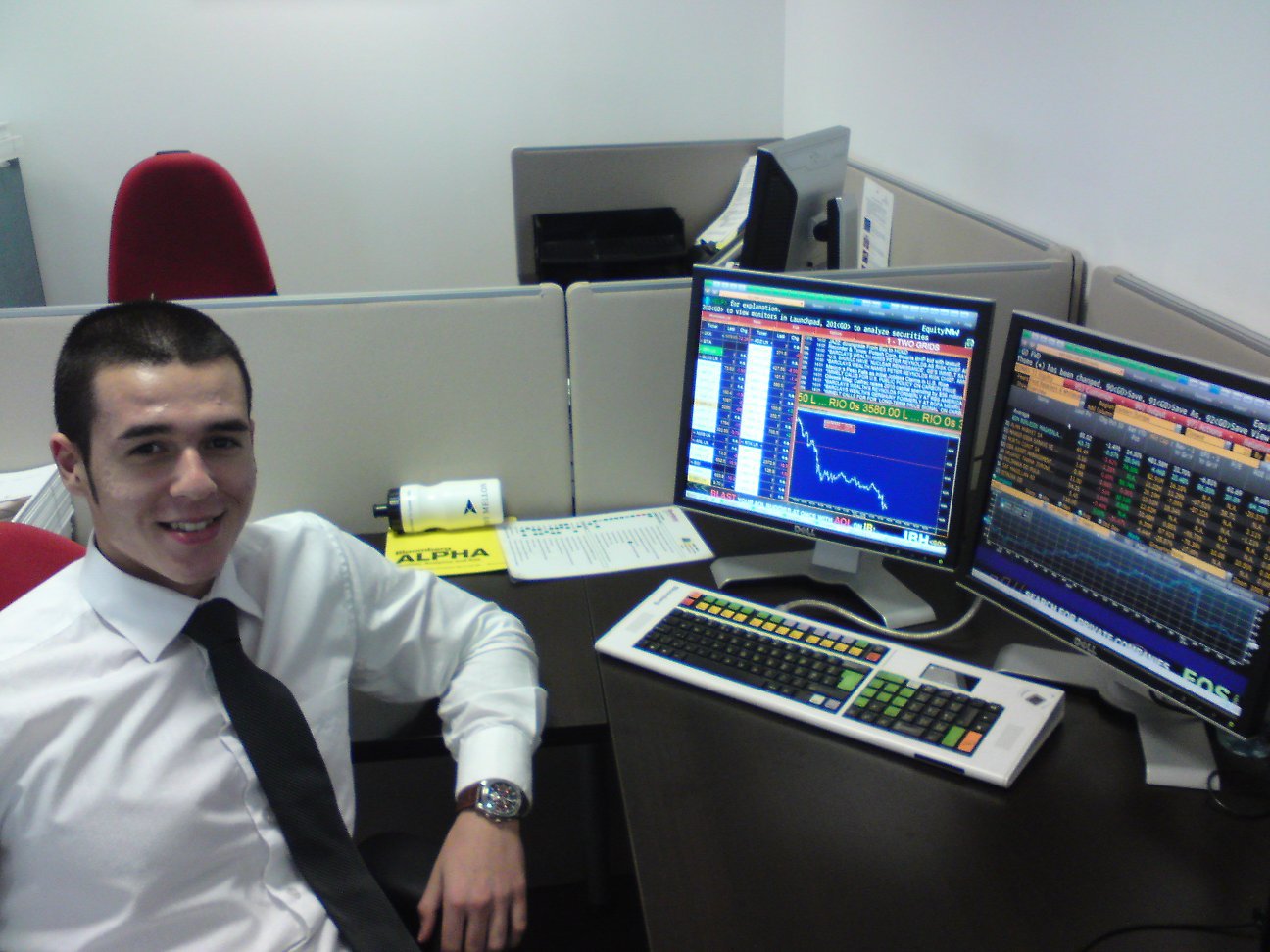
Even with two strong placements under my belt, landing a graduate role was a challenge. I faced the same story: hundreds of applications, several rounds, and two eventual offers: one from Accenture and one from HSBC. I followed my passion again and chose banking.
Has anything surprised you in your career?
At HSBC, I discovered something unexpected: I enjoyed communications, marketing and writing. Gradually, I transitioned toward those functions.
Around the midpoint of that period, I hit what’s now called a quarter-life crisis. I turned inward, began meditating intensively, and had some profound experiences that shifted how I see the world. It was liberating, but also made it hard to stay committed to finance, or frankly, any linear career path.
That shift led to a detour. I trained in Reiki, became a certified personal trainer and studied massage therapy. By the end of 2017, I left HSBC and started working as a massage therapist. I did that for almost two years before realising two things: I missed intellectual stimulation, and my body wasn’t built to do physical work for 5–6 hours a day.
So, I began applying for corporate roles again. Some promising interviews fell through at the last moment, and a few remote opportunities started opening in Bulgaria. I decided to move back home and reset.
Back in Bulgaria, I freelanced as a writer and explored remote work. Timing worked in my favour. I returned just before the pandemic and soon after, remote roles became the norm.
What happened next?
I got an offer from HMRC in the UK to join their graduate tax program, but I also had an offer from a crypto exchange to work as a Content Manager. Crypto was booming, and I wanted in. I stayed in Bulgaria and took the content role.
That led to rapid progression. Within a year, I was headhunted for a better-paid Senior Content Manager role at another blockchain company, Cudos. I grew into Head of Content, then Head of Marketing. After nearly two years, I joined LandVault (now Napster), again as Head of Marketing, doubling my income.
But in 2023, LandVault ran into financial difficulties, and I was made redundant. Fortunately, the severance and notice period gave me space to be fully present during the final months of my wife’s pregnancy and the first few months of our son Max’s life. I got to witness his first crawl, his first attempts at speaking – moments I might have missed otherwise. It turned out to be a gift.
After some time off and a few small projects, I returned to full-time work in mid-2024, juggling one full-time and one part-time content role. I managed it for a few months, but it wasn’t sustainable. So I took a full-time role as a Senior Content Marketer at a blockchain education and security firm. I'm now transitioning into a Senior Product Marketing Manager role at a competitor.
My career path hasn’t followed a straight line. My spiritual practice and meditation habits have often reshaped how I view work, which can make long-term commitment harder. But what’s consistent is the resilience, the willingness to pivot and the drive to keep going. I’ve applied to over 1,000 jobs through various stages, some from desperation, others from ambition.
Despite the unpredictability of the blockchain/startup world, I’ve built a strong income, supported my family, and bought two apartments – both mortgage-free. I share this not to boast, but to emphasise the practical side of career success. As one lecturer said to us at university: “We’re not here just to teach you. We're here to help you become employable and make money.” For many of us, that’s the point.
What do you enjoy most about your career?
My thinking around career has changed a lot. I used to believe in a fixed vision, something you commit to and bring to life through sheer will. Now I’m more humble and more aware of what’s within, and what’s outside my control.
What I enjoy most is the ability to design a work-life structure that supports my overall lifestyle, family, and interests. That flexibility – and the intellectual stimulation marketing brings – keeps me engaged.
How did your studies help you develop professionally or personally?
The first placement at BNY Mellon gave me foundational habits – punctuality, ownership and curiosity – and helped me meet inspiring mentors.
The second placement at UBS was valuable for different reasons. It paid well, gave me confidence, but also made it clear that high-stakes investment banking wasn’t my path. That insight saved me years of misaligned effort.
Did you have a mentor, tutor, or lecturer who had an impact on you?
Yes, Anthony Birts. He had a strong presence and uncompromising standards, especially around punctuality. I admired that. I also enjoyed learning from Richard Fairchild in Behavioural Finance.
What advice would you give to prospective students considering your course at Bath?
Go for it. The University is excellent. During my four years at Bath, it improved steadily and rose in the rankings. Of course, do your own research. If it aligns with your goals, apply. Best of luck!
Respond