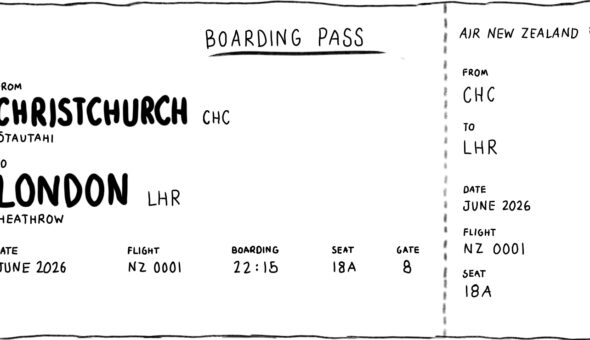
Hi! I’m Nell, a third-year student studying International Politics & Spanish. I’m currently undertaking the second part of my year abroad, having spent the first four months in Madrid. And now… I’m in Argentina. Honestly, even writing that feels surreal. Having never left Europe, the thought of coming here felt like I might as well be travelling to Mars. Below I share my experience in here so far, which has been varied to say the least…
Week 1: The chaos of Buenos Aires
I have never been happier to arrive somewhere. Seventeen hours on a plane, 3 hours of sleep, and fuelled only by a questionable looking cheese omelette (I still wonder about how they preserve eggs on planes…). My first taste of Buenos Aires came via a taxi ride from the airport to my hotel, the driver swerving across six-lane motorways like he was part of the paparazzi, while I called my mum and tried to sound calm (more for her sake, than my own). Buenos Aires was charged with the usual hustle of a capital city. Based in a hotel for three days, I had time to explore before my programme began. I’ll be honest: my initial impressions weren’t glowing. It felt busy, chaotic, and at times a bit dirty. I soon realised I was staying somewhere very central and consequently, touristy.
Luckily, that impression didn’t last. I met the lovely Immie, another girl on my programme, who I noticed had a nice laugh and a warm vibe within ten minutes of meeting her. We went on a bike tour together, and as we cycled through neighbourhoods that felt completely different from one another, I started to feel a quiet excitement about what this experience could become.
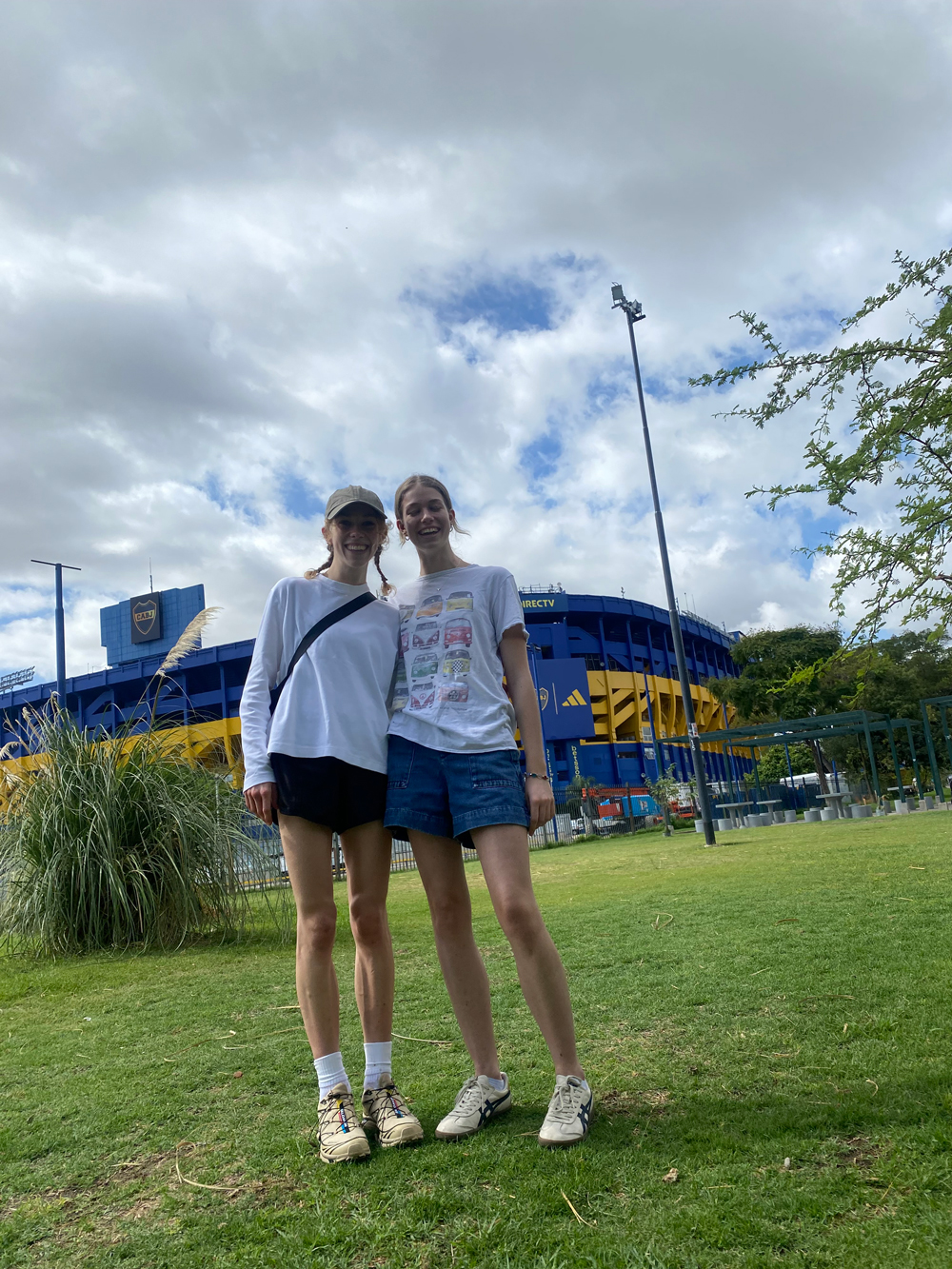
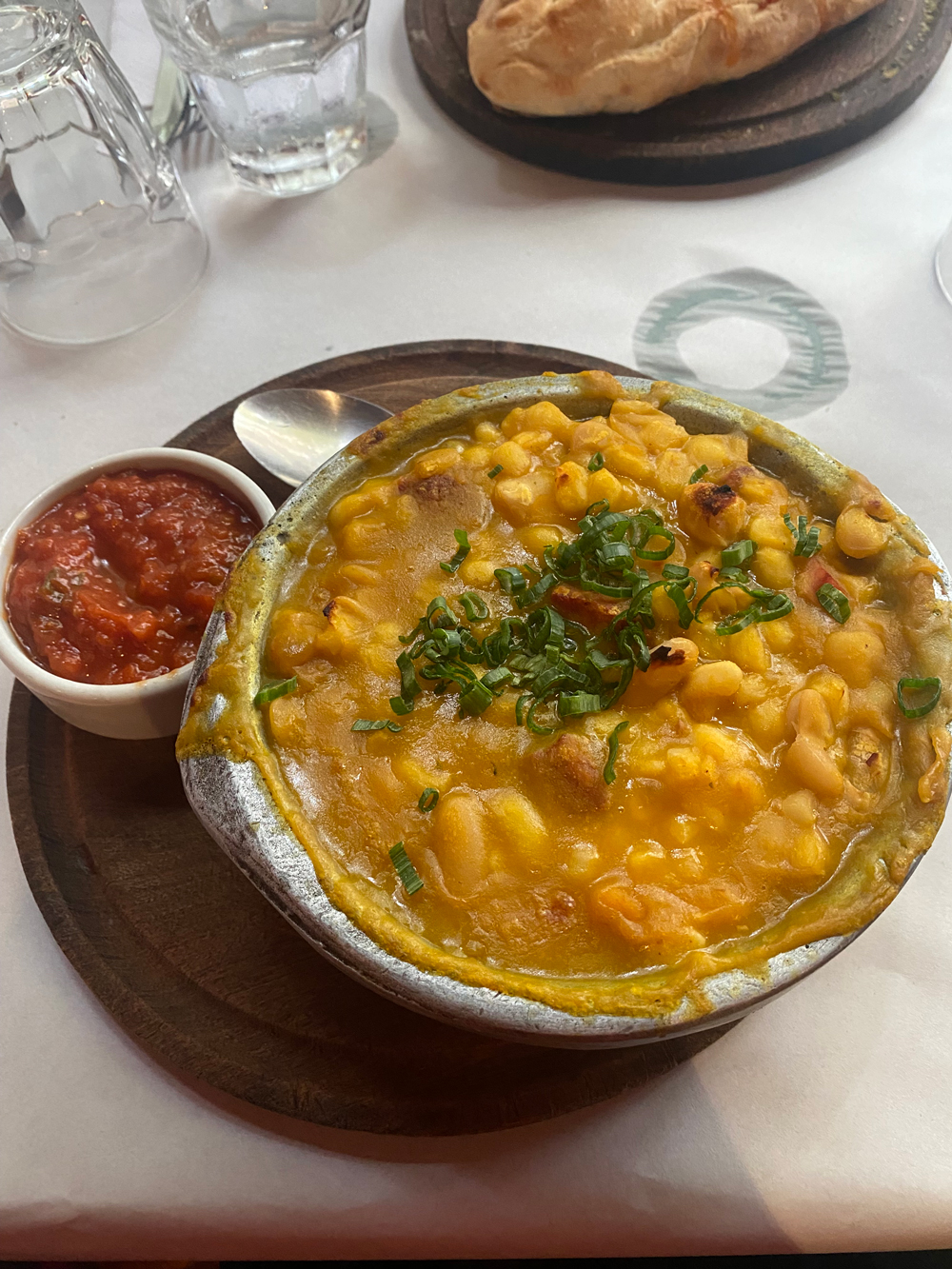
After a weekend of markets, sightseeing, and trying as many Argentinian foods as possible (highlight: Locro - 10/10, would recommend), the tourist honeymoon period came to an abrupt end.
Monday morning was a reminder of why I was actually here: to work with Teach Argentina. 70% of my time would be spent teaching English in schools across the country, and 30% as a Camp Councillor at English immersion camps. Myself and sixteen others were packed onto a coach and taken to the countryside, a place known as “the Borough”, for training. The journey itself was filled with nervous energy, slightly intensified by conversations about Oxford University, studying in Peru, and even a gameshow appearance on The Chase. I, meanwhile, felt very much like the “plain Jane” of the group.
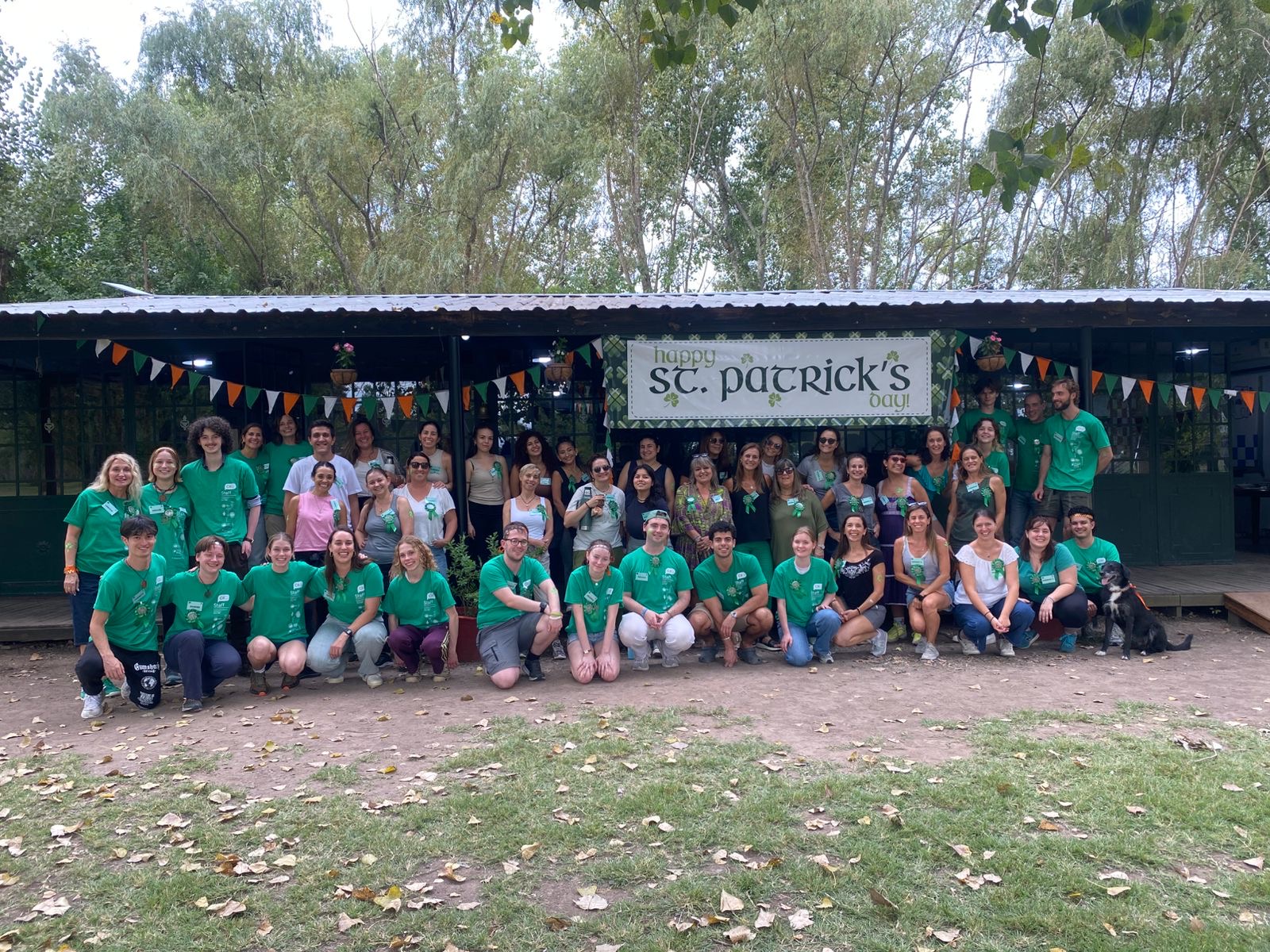
Upon arrival, we were greeted with hugs and kisses on the cheek, the first of many, by the programme coordinators. As someone raised in England (the land of polite awkwardness), this has taken some getting used to. The week was filled with icebreakers, games, and learning how to create an engaging atmosphere. I wouldn’t describe myself as particularly extroverted, so I was surprised at how natural it felt to constantly interact with 16 strangers. It turned out that no two people were alike, and somehow, that’s exactly what made it work. The week ended with an Irish-themed day, where we practised running a camp. After only a week, we’d grown close, just in time to all go our separate ways.
Week 2: On tour in the north
Less than 24 hours later, Jack from Ireland (looks like Bob Dylan and sounds like Paul Mescal) and I flew to Resistencia, before travelling to a small town in Formosa province, about 1.5 hours from the Paraguayan border. The distances alone were hard to comprehend.
We were welcomed by our first host, Susan, an English teacher originally from Palestine who greeted us warmly and fed us beef milanesas, Russian salad, and potatoes (a very Argentinian feast). She spoke with pride about Argentina being “the land of foreigners,” which made perfect sense given the country’s history of immigration.
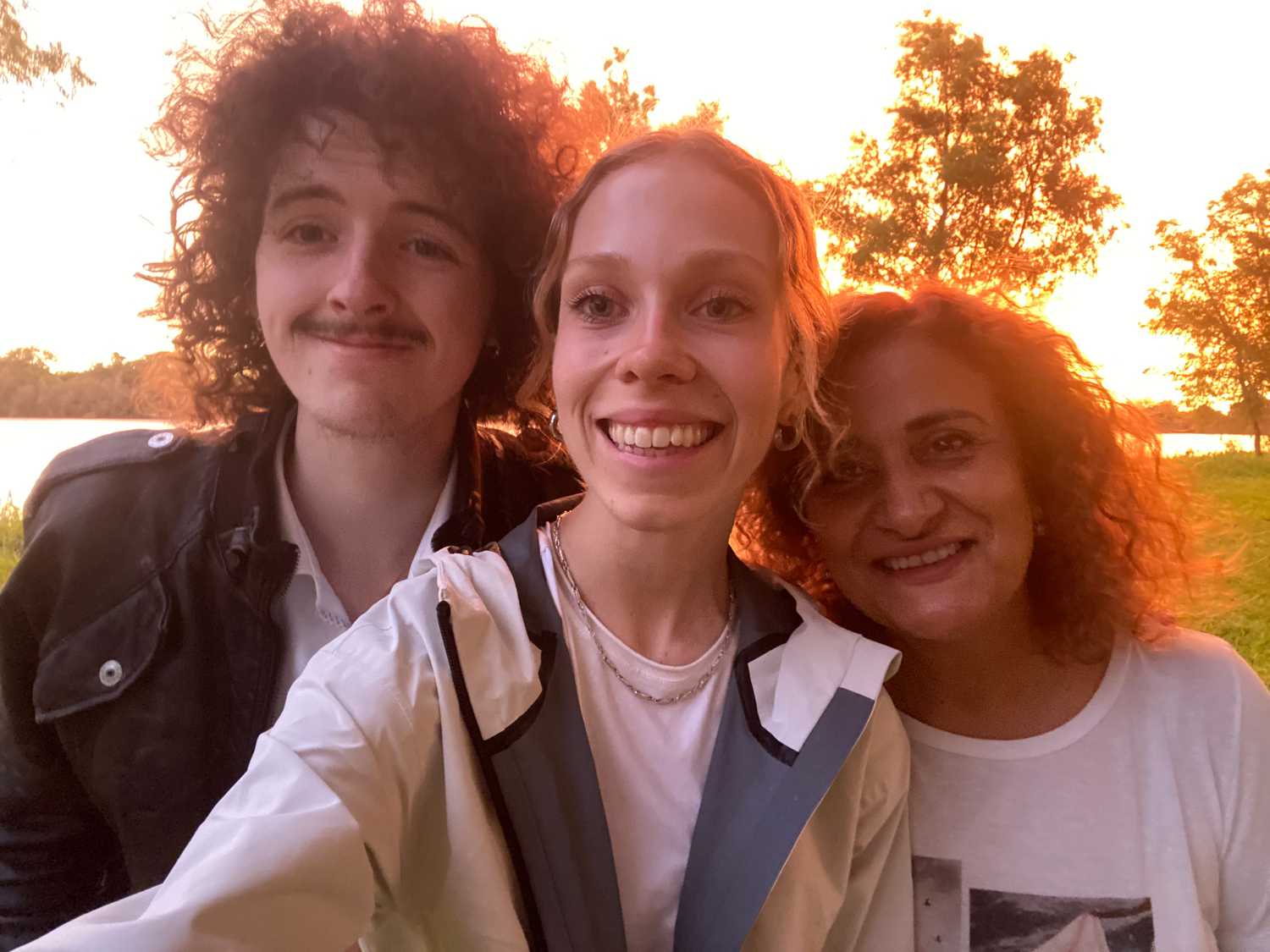
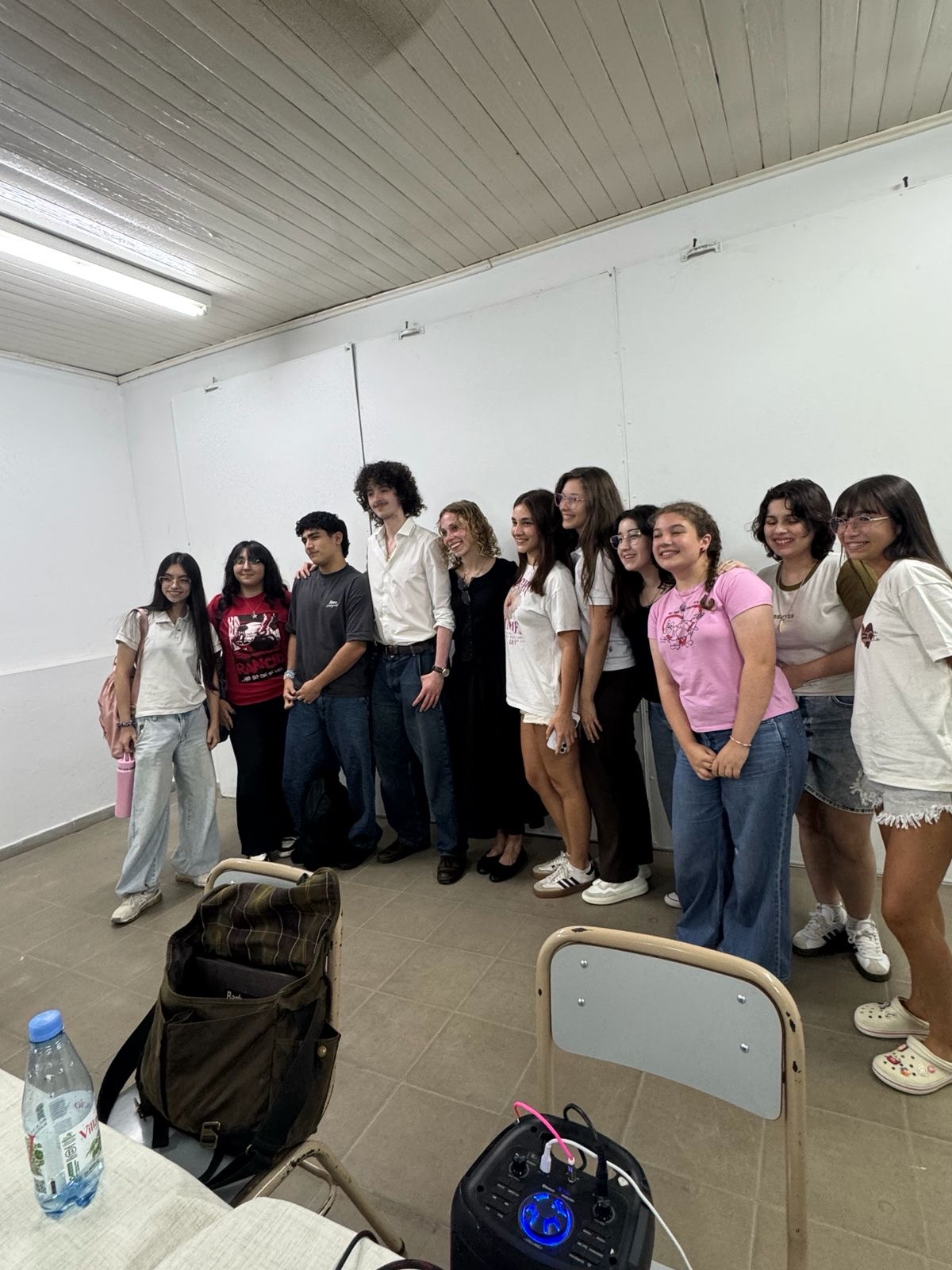
For the rest of the week, we were based in Resistencia, travelling daily to different schools to give presentations about what the programme offered. The students’ warmth was overwhelming, they treated us like celebrities. Their curiosity was equally strong (as I assured them, no we do not eat fish and chips every day in England).
Week 3: Spy camp — mission chaos
After a week in the dry northern heat, we returned to Buenos Aires for my first camp. The theme? Spies. The idea was that the world was under attack from aliens, and the children had to train, create gadgets, and save humanity. I was most nervous about the theatrics, generating enthusiasm among fourteen-year-olds felt like a challenge. But surprisingly, it was easy to slip into a more childlike mindset. I found myself singing campfire songs, putting on questionable accents, and becoming aggressively competitive (arguably more than the children themselves).
It wasn’t entirely smooth sailing, at one point, a child did briefly set fire to a table under my supervision…but overall, it was an incredibly rewarding experience. Watching the children leave more confident in their English, armed with new memories (and the Borough’s famous banoffee pie), made it all worthwhile.
Week 4: Bahía Blanca
It was finally time for my first placement. In true Argentinian fashion, I didn’t know where I was going until five days before , but I was thrilled to be heading to Bahía Blanca for three weeks, a coastal city that felt vaguely like it might resemble. The scale of Argentina really hit me, an 11-hour overnight bus south and somehow I was still in the Buenos Aires Province (roughly the size of England). Before arriving in Bahía, I had a video call with my hosts, Joaquín and Valentín, who I assumed would be my “host parents.” They were not. They were both born in 2002. So instead of host parents, I gained what felt more like a host brother and sister, which thankfully, made settling in much easier. We joke that we speak in ‘Llanito’, the language spoken in Gibralter, as I help them with English and they help me with Spanish.
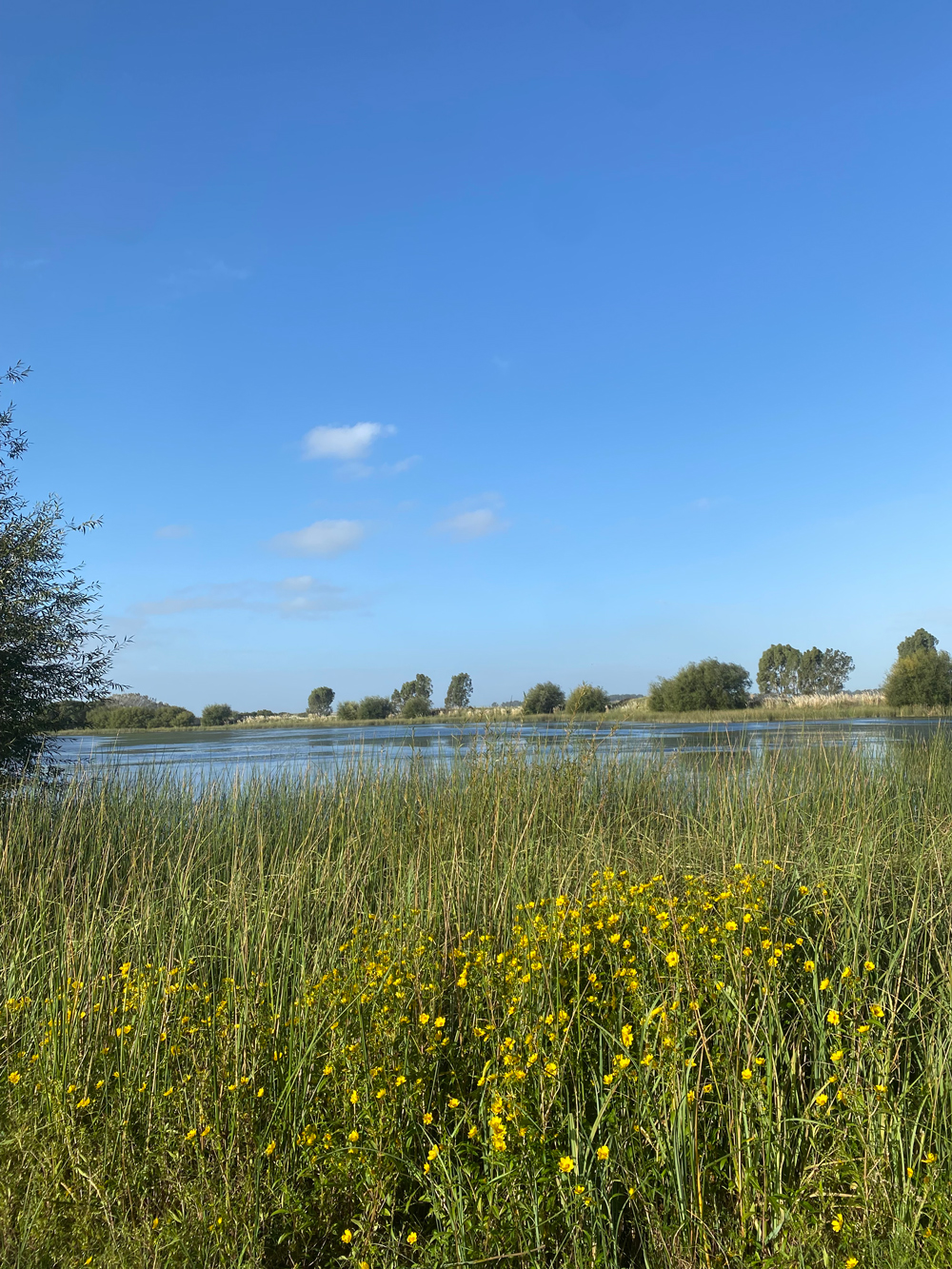
After weeks of constant movement, it’s been a relief to stay in one place. Some Highlights so far include a trip to a nearby lagoon with friends, an Easter asado with the family, and working at the institute. Some days I share my opinion of Dulce de Leche (a bit like Biscoff spread) with seven year olds, other days I discuss knife crime with adults. The variety is wonderful. On the flip side, I’m fairly certain I may be the first English person some people here have encountered, judging by the reactions when I speak English on the phone in public. Slightly unsettling, but also quite funny.
One month down, four to go!
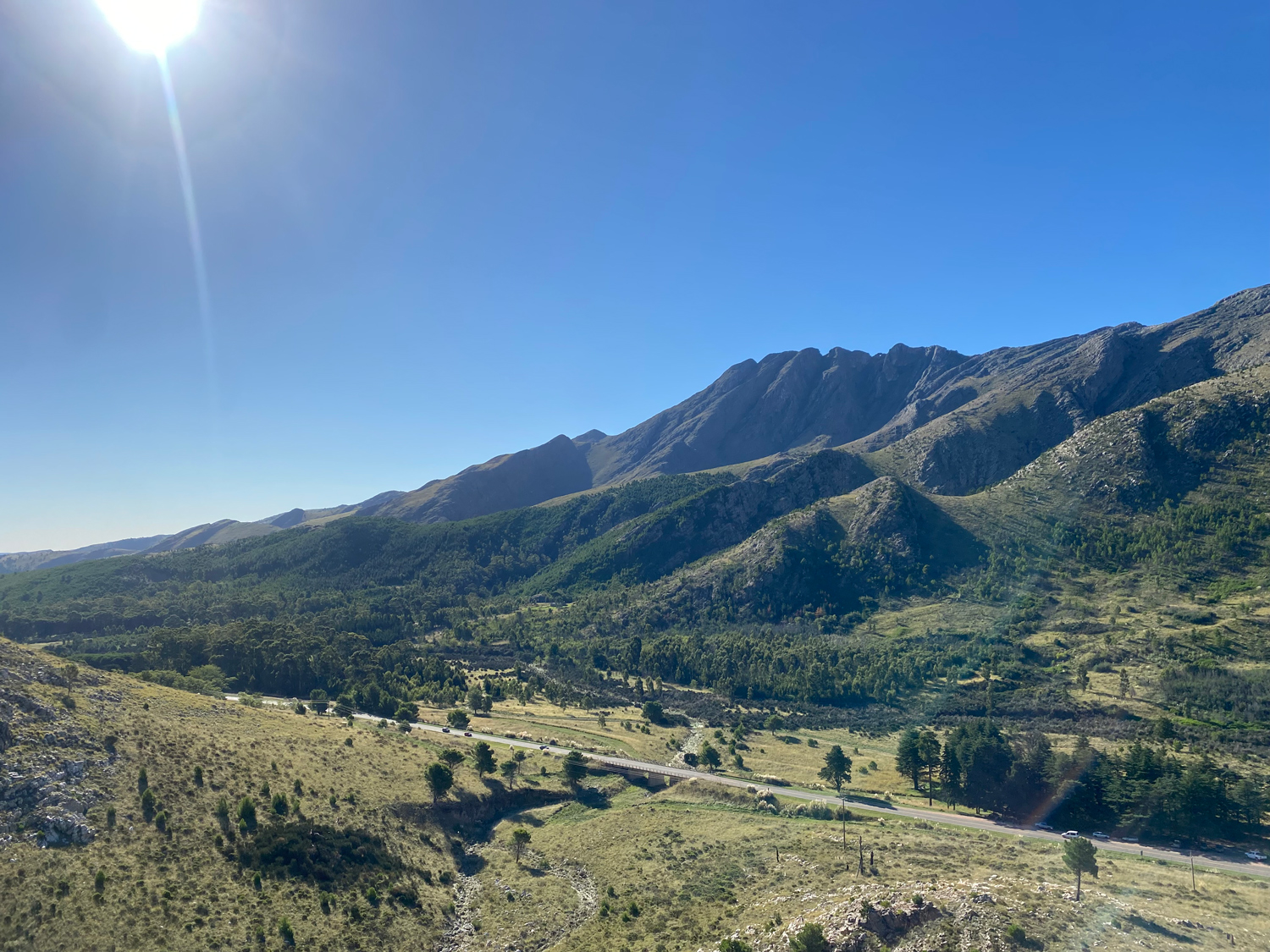
In one month, I’ve travelled roughly the equivalent distance from Madrid to Moscow , something I still can’t quite process. Before coming here, I thought I’d be most struck by the landscapes. And while there are beautiful places (and not-so-beautiful ones), what has stayed with me most is something else: the warmth of the people. More than anything, this experience has clarified why I’m studying a language. Yes it’s true, you develop new neural pathways and improve longevity. But more than this, I do it because I want to understand people, exchange cultures and relate experiences. I want to know the fabric of people’s lives, what motivates them and gives them peace...
I don’t know where I will be placed after Bahía Blanca. It could be anywhere in the country. I find this extremely nerve wracking. However little by little I am beginning to see the unknown as a source of possibility, rather than anxiety.
Hasta pronto!
Nell
Respond