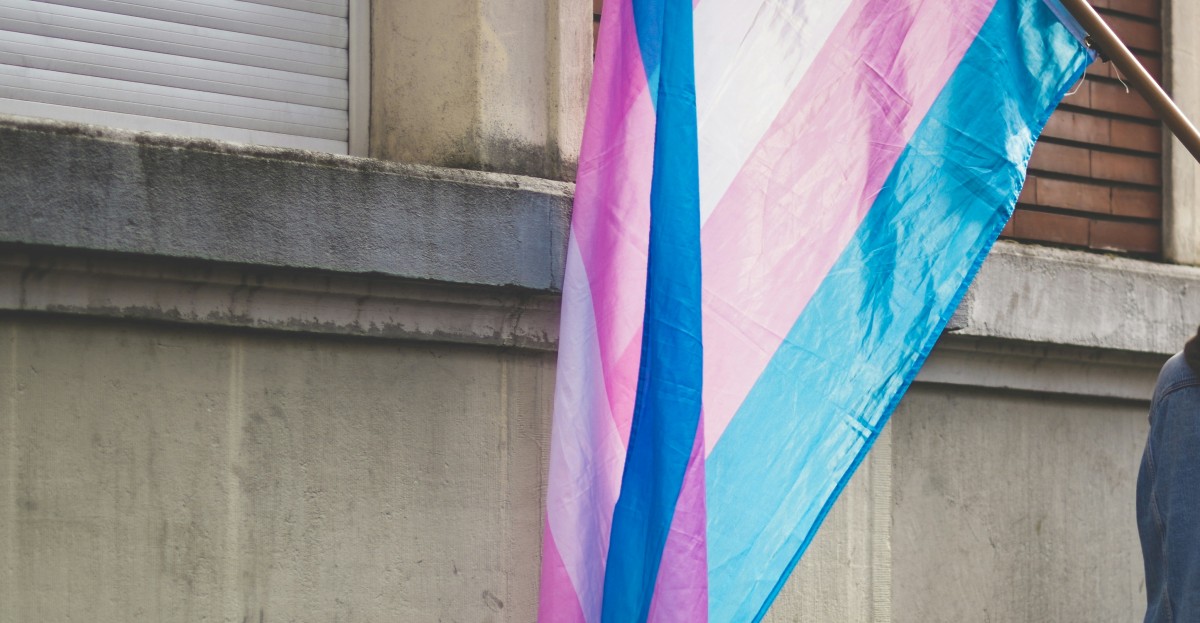
Every year, from 13–19 November, Trans Awareness Week reminds us that visibility and understanding can change lives. For businesses, it’s also a moment to reflect on what inclusion truly means in practice – beyond policies, Pride campaigns and corporate statements – as Dr Varala Maraj explains.
Drawing on my ongoing research with Dr Mario Campana and Dr Rohan Venkatraman – which recently won 'Best Paper in Consumer Culture Theory track' at the Australian and New Zealand Marketing Academy (ANZMAC) Conference in Sydney – I explore how UK businesses across several sectors are working to make their services and workplaces more welcoming for the trans community.
Our research includes perspectives from trans consumers, EDI consultants and business owners. The conversations we’ve had reveal both progress and growing pains: while many trans consumers continue to feel excluded from the marketplace, many businesses are genuinely eager to do better – they just don’t always know where to start.
Understanding the ‘T’ in LGBTQ+
Like all consumers, trans individuals use shops, services and organisations every day. Yet our findings show that many trans consumers often feel misunderstood or unseen by UK businesses.
At the most basic level, many firms lack awareness of how being trans shapes their customers’ everyday experiences – making it crucial to clarify what it means to be trans and why this week matters.
A transgender person is someone whose gender differs from the one assigned at birth. The term ‘trans’ is an umbrella term encompassing a range of gender identities, including trans men, trans women and nonbinary people.
While many companies engage with Pride campaigns under the broad ‘LGBTQ+’ umbrella, it’s important to remember that trans people are a gender minority, rather than a sexual orientation minority – unlike ‘L’, ‘G’, ‘B’ and ‘Q’.
This distinction underscores the importance of Trans Awareness Week, Trans Pride and the trans flag as celebrations of identity and resilience. The week culminates on 20 November with Trans Day of Remembrance, which commemorates the lives of trans people lost to transphobic violence and prejudice.
What trans-inclusive business engagement looks like
Our research conversations with UK business owners highlight examples and insights that can help pave the way to greater inclusivity. Service sectors, in particular, face unique challenges due to their interactive, client-facing nature – where small gestures can make a big difference.
One exemplary case comes from Essential Maintenance, an independently owned, Bristol-based salon. Its owner, Rebecca Porter, has taken deliberate steps to make the space inclusive for trans clients.
She shared:
“Many of our clients are trans, and many are drag performers. Some trans clients have come to us after being denied service elsewhere, because not all salons are welcoming or trained to work confidently with trans bodies.”
Rebecca regularly engages in specialist training to better understand and meet trans clients’ needs. The salon also offers trans-inclusive membership bundles, helping to make services more accessible and cost-effective.
Even with these intentional efforts, challenges remain – such as balancing the desire to demonstrate allyship with legal and operational constraints. Yet there are many ways businesses can meaningfully convey inclusivity while remaining compliant.
For instance:
- Ask for preferred names to enable clients to use their chosen name rather than their deadname (name given at birth)
- Ask, don’t assume, pronouns or gender to avoid misgendering customers
- Review customer-facing scripts, online forms and loyalty programmes to ensure they reflect inclusive language and options
These may seem like small changes, but they send a powerful signal that trans consumers are seen, respected and welcome.
Moving beyond policy to practice
As we mark Trans Awareness Week, it’s an opportunity for organisations to review how their practices align with their stated or intended inclusion goals.
Creating environments where all consumers feel respected and valued is not only good for individuals: it also supports better customer relationships and service experiences.
By authentically approaching inclusion with curiosity, consistency and care, businesses can build trust and ensure that their services reflect the diversity of the communities they serve.
Respond